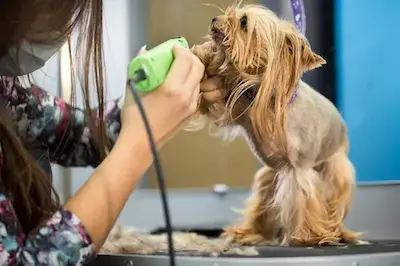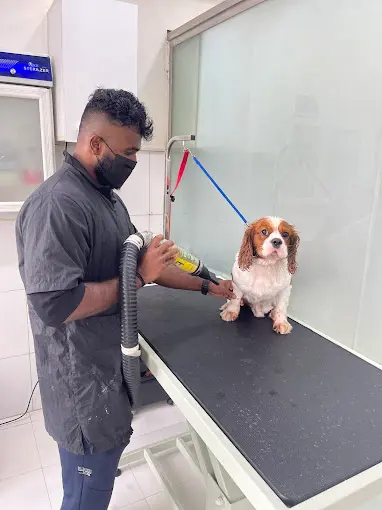

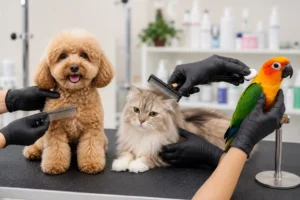

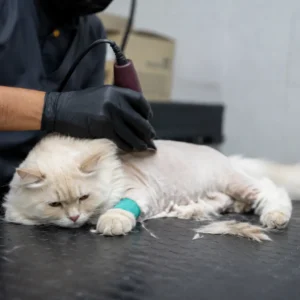

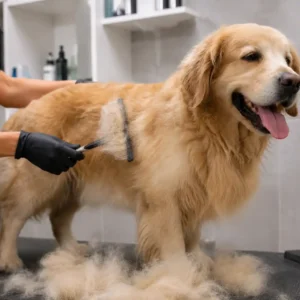
Grooming plays a vital role in a dog’s health and hygiene. Regular brushing, bathing, nail trimming, and ear cleaning can help prevent infections, reduce shedding, and keep your pet comfortable.
But let’s face it: between work commitments, school runs, and household chores, booking frequent visits to pet grooming services in Abu Dhabi can feel nearly impossible. That’s when at-home grooming becomes an attractive option for busy pet owners.
However, not all dogs are eager to sit still while you trim their nails or clean their ears. Many pups become restless, anxious, or aggressive when grooming tools appear. In such cases, some pet parents consider sedation a possible solution to make the process smoother and safer.
But is this approach safe and responsible?
Let’s dive into the types of sedatives available and the best practices if you’re considering using them for at-home grooming.
What Happened When a Client Tried Sedating His Dog Himself
I’m a dog grooming expert at Mr Pets, and if there’s one thing I always tell pet owners, it’s this: never sedate your dog at home without a vet’s guidance, it can genuinely put your dog’s life at risk. We once had a client who tried exactly that, he gave his dog a sedative he’d read about online just to get through a grooming session at home. The dog ended up seriously unwell afterward and had to be rushed in for emergency care. It was a scary, completely avoidable situation. That’s exactly why we always tell owners to go through a professional pet grooming expert instead of guessing. At Mr Pets, we’ve been handling anxious and difficult dogs safely for over 10 years, and our team is trained and certified to manage these situations the right way, without ever putting your dog’s health at risk.
Types of Sedatives for Dogs: Are They Safe for Home Use?
Veterinarians may prescribe a few different categories of sedatives for dogs. The most common include benzodiazepines (like Diazepam), alpha-2 agonists (such as Dexmedetomidine), antihistamines (like Benadryl, which may cause drowsiness), and natural calming supplements containing ingredients like L-theanine or chamomile.
Some pet owners also use pheromone sprays or CBD oil, though these fall into the milder, over-the-counter spectrum.
However, just because these options exist doesn’t mean they’re all suitable or safe for grooming at home. Sedation can suppress vital functions like breathing and heart rate. It also affects each dog differently based on age, breed, weight, and health condition.
Only a veterinarian can recommend the correct dosage and type of sedative based on your dog’s needs. Self-medicating or using leftover prescriptions is risky and can lead to serious complications, even death in extreme cases.
Dos and Don’ts of Sedating a Dog for At-Home Grooming
DO Consult a Veterinarian First
Before you consider giving your dog any form of sedative, schedule a consultation with a licensed vet. They’ll assess your pet’s medical history, temperament, and grooming requirements to determine whether sedation is necessary or alternative calming strategies can be used.
Some dogs may just need desensitization training or a slower grooming process. A vet will also prescribe the right type and dosage of sedative if needed, helping you avoid accidental overdoses or allergic reactions.
DON’T Use Human Medications
Never give your dog human-grade medications like sleeping pills, anxiety tablets, or antihistamines without veterinary guidance.
Even something as common as Benadryl can be dangerous in the wrong dose or when combined with other medications. Dogs metabolize drugs differently than humans, and what calms you might severely harm your pet.
This is a major no-no and one of the most common mistakes well-meaning owners make.
DO Create a Calm, Familiar Environment
If your dog has been sedated, they’ll need a safe and quiet environment for the grooming session. Eliminate loud noises, unfamiliar faces, or slippery surfaces that could trigger anxiety or accidents.
A familiar scent, like their favorite blanket, and dim lighting can also help relax them. Remember, sedation doesn’t make the dog unconscious; they’re still responsive and sensitive to stimuli.
DON’T Sedate Without a Supervision Plan
Even mild sedatives can cause unexpected side effects, including vomiting, breathing issues, or lethargy that lasts longer than expected.
If you decide to sedate your dog, make sure someone is around to monitor them for several hours after grooming. Never sedate your dog and leave them alone, especially near stairs or hard surfaces where they could fall and injure themselves. Continuous observation is critical.
DO Start with Natural Calming Aids When Possible
Before jumping to prescription sedatives, consider starting with natural calming aids like pheromone diffusers, calming collars, or anxiety vests. You can also try behavior modification through positive reinforcement and reward-based grooming practice.
These methods may take more time but are safer and promote long-term tolerance of grooming without the need for sedation.
DON’T Ignore Underlying Behavioral Issues
Anxiety during grooming can sometimes be a symptom of a deeper behavioral or psychological issue. If your dog growls, shakes or hides every time you pick up the clippers, sedation won’t solve the root cause.
It might make things worse over time. Consult a certified canine behaviorist or trainer to work on these foundational issues in parallel with your grooming routine.
In the meantime, trust expert dog grooming salons in Abu Dhabi to take care of your pet and offer a luxurious and relaxing experience that will rejuvenate your pet.
Consequences of Negligence: What Can Go Wrong?
Sedation isn’t just a matter of giving your dog a pill and getting on with it. The consequences can be severe if not handled with care and professional guidance.
Over-sedation may lead to breathing difficulties, dangerously low blood pressure, vomiting, or collapse. In some cases, dogs have suffered cardiac arrest due to improper dosages of veterinary or over-the-counter sedatives.
This is especially risky for older dogs, puppies, or those with pre-existing conditions.
There’s also the issue of psychological harm. If your dog experiences a traumatic or disorienting grooming session while sedated, it could worsen their fear of grooming in the long run. Instead of associating it with care and bonding, they might link it to stress and disorientation.
FAQs
1. Can professional groomers handle anxious dogs without sedation?
Yes, experienced groomers use calming techniques and gentle handling to groom anxious dogs safely.
2. What grooming services are included in a full dog grooming session?
A full session typically includes bathing, brushing, nail trimming, ear cleaning, coat trimming, and drying.
3. How often should my dog be professionally groomed?
Most dogs benefit from professional grooming every 4–8 weeks, depending on their breed and coat type.
4. Is at-home dog grooming less stressful than visiting a salon?
Yes, many dogs feel more relaxed when groomed in their familiar home environment.
5. When should I choose professional dog grooming instead of grooming at home?
Choose professional grooming if your dog is anxious, aggressive, has a thick coat, or requires specialized care.