



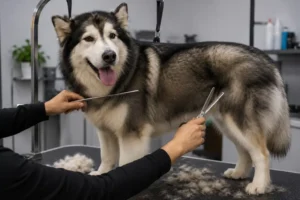

Persian cats are adored for their long, silky coats and gentle personalities. While they often enjoy being pampered, they also need structured training to live happily in a home environment. Training is more than just teaching commands — it helps prevent unwanted behaviors, strengthens trust, and ensures your Persian adapts comfortably to daily life.
This guide covers the essential Persian cat training tips for beginners, focusing on practical steps every owner can follow.
Why Training Persians Is Important
Persian cats are naturally affectionate, but without training they may develop undesirable habits or resist grooming. Training ensures:
- Easier management of litter habits.
- Cooperation during grooming and vet visits.
- Reduced stress in new environments.
- Stronger bonds between cat and owner.
Tip 1: Begin with Litter Box Training
Start litter box training as soon as you bring your Persian home. Place the box in a quiet spot, introduce your cat to it after meals or naps, and keep it clean. If accidents occur, calmly redirect your cat without punishment.
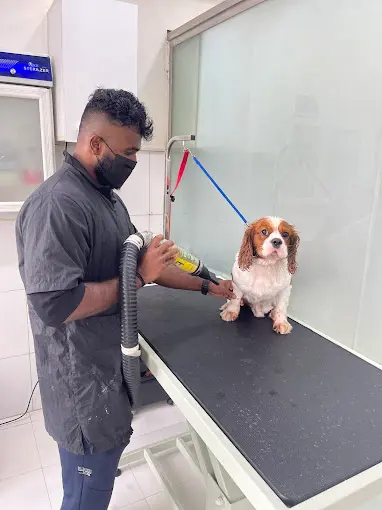
Professional groomers also note that maintaining cleanliness through services like mobile grooming Abu Dhabi complements litter training by keeping fur around the sanitary area trimmed and hygienic.
Tip 2: Use Positive Reinforcement
Persians are sensitive and respond best to encouragement. Reward them with treats, gentle praise, or play when they follow instructions. Over time, positive reinforcement creates lasting habits.
Tip 3: Teach Basic Commands
While Persians may not learn tricks as quickly as other breeds, they can master simple commands such as “come,” “sit,” or “no.” Keep sessions short (5–10 minutes) and fun to prevent boredom.
Tip 4: Encourage Socialization
Expose your Persian gradually to new people, pets, and environments. Socialization builds confidence and prevents shyness. Calm introductions reduce stress later during vet visits or grooming sessions.
Tip 5: Build a Play Routine
Playtime is essential for physical and mental health. Interactive toys like wands, balls, and puzzle feeders stimulate your Persian’s natural hunting instincts while reinforcing positive behavior.
Tip 6: Train for Grooming Cooperation
One of the biggest challenges for Persian owners is grooming. Daily brushing and regular baths are essential to prevent mats. Start grooming training early by:
- Introducing brushes gradually.
- Rewarding your cat for sitting still.
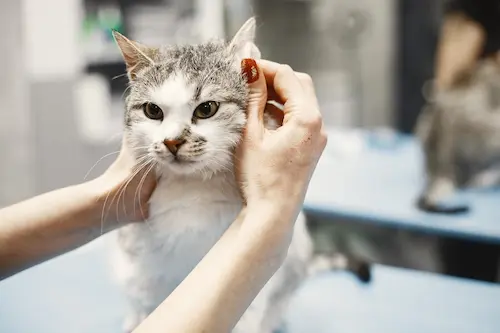
- Handling paws, ears, and face gently.
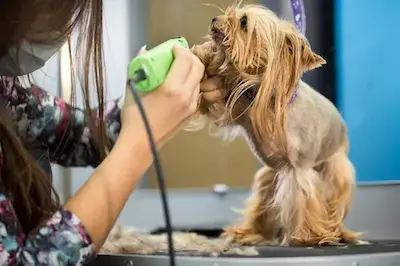
Regular home brushing, combined with professional cat grooming Abu Dhabi, ensures your Persian’s coat stays tangle-free and healthy.
Tip 7: Redirect Scratching
Scratching is natural but can damage furniture. Provide scratching posts and encourage their use with catnip or toys. Redirect your Persian to these posts instead of scolding them.
Tip 8: Train Calm Feeding Habits
Establish scheduled feeding times and discourage begging. Training your Persian to wait calmly reinforces discipline and reduces the risk of overeating — a common issue for this breed.
Tip 9: Carrier and Crate Training
Traveling and vet visits are easier when your cat is comfortable in a carrier. Leave the carrier open at home with a cozy blanket and reward your cat for entering voluntarily. This helps reduce stress when transport becomes necessary.
Tip 10: Be Consistent and Patient
Training Persians requires persistence. They may seem stubborn, but with consistency and gentle reinforcement, they will learn. Celebrate progress, however small, to stay motivated.
Building Trust Through Grooming
Grooming isn’t only about coat care — it’s also about bonding. Many owners ask: “What Does It Mean When My Cat Grooms Me?” This behavior is a sign of trust and affection, mirroring the way cats groom one another in social groups. Training your Persian to accept grooming not only keeps their coat beautiful but also deepens your relationship.
Professional support, such as pet grooming Abu Dhabi services, can make grooming less stressful while keeping your cat comfortable and well-maintained.
Common Training Challenges
- Stubbornness: Persians may ignore commands; patience is key.
- Short Attention Spans: Keep training sessions brief and focused.
- Resistance to Grooming: Start young, go slowly, and always reward cooperation.
Conclusion
Training your Persian cat takes time, but the effort pays off in harmony at home. From litter box use to grooming tolerance and basic commands, consistent training ensures your Persian grows into a calm and well-adjusted companion.
With patience, positive reinforcement, and the support of grooming services like mobile grooming Abu Dhabi, cat grooming Abu Dhabi, and pet grooming Abu Dhabi, you can make training and coat care much easier. Ultimately, these practices not only shape good behavior but also nurture the special bond you share with your Persian cat.