

Cats are known for being self-grooming experts, but their ears are one area that often needs extra attention. Dirty ears can be more than just a cosmetic issue—they may signal health concerns or poor hygiene. Understanding why cats get dirty ears and how to keep them clean is an important part of responsible pet care.
In this guide, we’ll explore the causes of dirty cat ears, safe cleaning techniques, and prevention methods to keep your feline’s ears healthy and infection-free.
Why Do Cats Get Dirty Ears?
There are several reasons why your cat’s ears may seem to accumulate dirt or wax more often than expected:
- Earwax buildup – A natural process, but excessive buildup may look like dirt.
- Ear mites – Tiny parasites that cause dark, coffee-ground-like debris.
- Fungal or bacterial infections – Often produce discharge and foul odor.
- Allergies – Can lead to inflammation and excess wax production.
- Outdoor exposure – Cats who roam outdoors are more prone to dust and debris.
If your cat’s ears are persistently dirty despite regular cleaning, it’s best to consult a vet.
Recognizing Signs of Ear Problems
While some dirt is normal, it’s important to watch for warning signs:
- Excessive scratching or head shaking
- Redness or swelling inside the ears
- Unpleasant odor coming from the ears
- Thick discharge or dark-colored wax
- Sensitivity when ears are touched
These may point to infections or parasites that require professional treatment.
How to Clean Your Cat’s Ears Safely
Cleaning a cat’s ears at home can be simple if done correctly:
Step 1: Gather Supplies
Use a vet-approved ear cleaner, cotton balls or pads, and a towel. Avoid cotton swabs, as they can push dirt deeper into the ear canal.
Step 2: Position Your Cat Comfortably
Gently wrap your cat in a towel if necessary. Calm reassurance makes the process easier.
Step 3: Apply Ear Cleaner
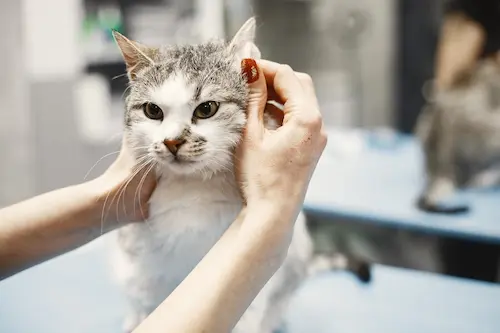
Place a few drops of the solution into the ear canal and gently massage the base of the ear for 20–30 seconds.
Step 4: Wipe Away Dirt
Let your cat shake its head, then wipe away loosened debris with cotton.
Step 5: Reward With Treats
Positive reinforcement ensures your cat will be more cooperative next time.
Preventing Dirty Ears in Cats
Prevention is always better than treatment. Here’s how to reduce ear dirt buildup:
- Schedule regular grooming sessions to check ears.
- Keep your cat’s environment clean and dust-free.
- Provide a balanced diet to support immune health.
- Use parasite prevention treatments recommended by your vet.
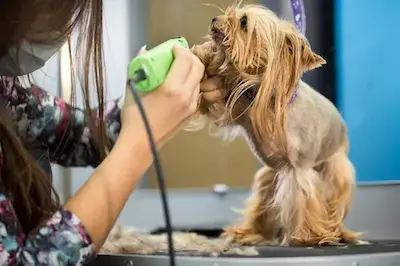
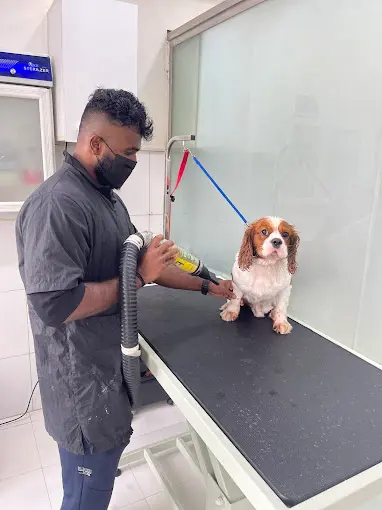
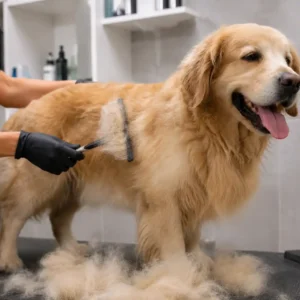
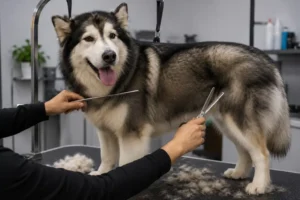
In fact, many professional grooming centers offering Pet Grooming Abu Dhabi also include ear cleaning as part of their services, ensuring pets stay comfortable and healthy.
The Role of Grooming in Ear Health
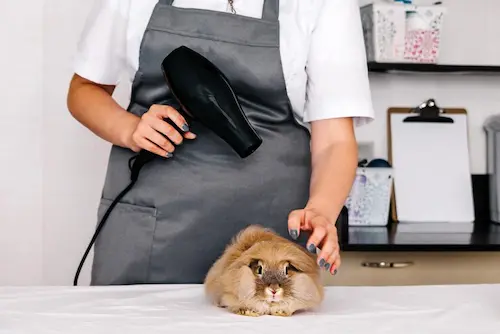
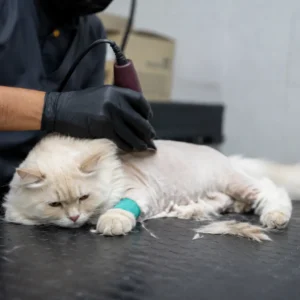
Grooming isn’t just about keeping your cat’s coat shiny—it’s also essential for overall hygiene, including ears. During a grooming session, a professional can spot early signs of ear problems before they become serious.
For example, services like Cat Grooming Abu Dhabi often combine coat care, nail trimming, and ear cleaning into one routine, giving your pet a full hygiene check.
Beyond Cleanliness: When Grooming Becomes a Necessity
Some owners think cats can manage grooming entirely on their own, but that isn’t always true. A buildup of earwax, tangled fur, or even minor infections can go unnoticed until they become uncomfortable. Professional groomers and vets often highlight 7 Signs Your Cat Needs Grooming, which include persistent dirt in ears, matted fur, and excessive scratching. Recognizing these signs early keeps your pet healthier in the long run.
Conclusion
Dirty ears in cats may seem like a minor issue, but they can point to underlying health problems if left unchecked. By learning why cats get dirty ears, practicing safe cleaning techniques, and investing in regular grooming, you’ll protect your feline from infections and discomfort.
Whether you clean your cat’s ears at home or use professional grooming services such as Pet Grooming Abu Dhabi, the goal is the same: maintaining hygiene, comfort, and overall health. Regular care not only prevents ear problems but also ensures your cat lives a happier, healthier life.