




Many pet owners want their dogs to provide a sense of security at home. However, there’s a common misconception that effective protection training requires teaching hostility. Some even search how to train a dog to be aggressive towards strangers, but this is not only dangerous—it can also create long-term behavioral issues.
Research from the American Veterinary Society of Animal Behavior shows that dogs trained with fear-based methods are more likely to develop anxiety and unpredictable aggression. Instead, the goal should be to train your dog for protection through obedience, confidence, and controlled alertness.
Why Avoid Aggression-Based Training?
Teaching dogs to attack or show hostility toward strangers may sound like a protective strategy, but it often backfires. Risks include:
- Increased anxiety and stress in the dog
- Higher likelihood of biting incidents
- Legal liability for the owner
- Difficulty controlling the dog in public or at home
Proper training ensures your dog learns to differentiate between a genuine threat and a harmless visitor.
Building the Foundation: Obedience First
Protection training begins with strong obedience skills. Before focusing on security roles, ensure your dog reliably follows commands such as:
- Sit
- Stay
- Come
- Heel
- Leave it
Obedience builds trust between you and your dog. A protective dog must learn restraint, not uncontrolled aggression.
Positive Reinforcement Training
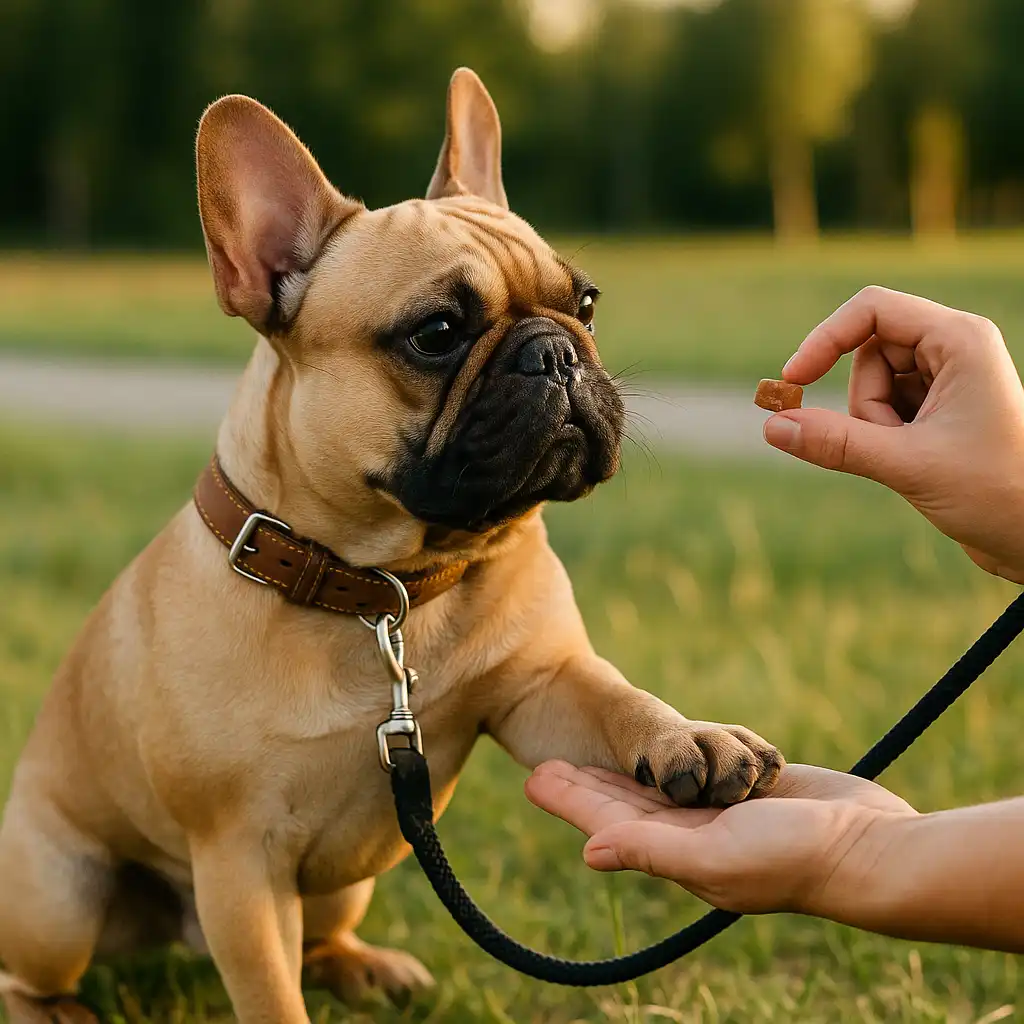
Studies show that reward-based training is 15% more effective than punishment-based methods. To reinforce positive behavior:
- Use treats, praise, or toys as rewards.
- Practice short, consistent sessions daily.
- Gradually increase distractions to test focus.
The goal is to develop a confident, calm dog who obeys commands in different environments.
Alert Training vs. Aggression Training
Instead of learning how to train a dog to be aggressive towards strangers, focus on alert training. This involves:
- Teaching your dog to bark on command when someone approaches.
- Rewarding them for stopping barking once instructed.
- Using controlled scenarios where a “stranger” knocks or enters.
This method gives you security without risking unpredictable bites or attacks.
Socialization is Key
Well-socialized dogs are less likely to misinterpret harmless strangers as threats. Expose your dog to:
- Different people (ages, appearances, uniforms)
- Other animals
- Busy environments (parks, streets, pet-friendly cafes)
Socialization teaches discernment, helping your dog remain calm unless real danger arises.
Mental and Physical Stimulation
Protection dogs must also be balanced and healthy. Regular exercise prevents boredom, which often leads to destructive behavior. Activities include:
- Daily walks or runs
- Fetch or agility exercises
- Puzzle toys for mental stimulation
Balanced dogs are more responsive to training and less prone to unwanted aggression.
Professional Support and Safety
For those unsure about training methods, working with certified trainers is essential. They use structured techniques to instill confidence while minimizing risks. Remember: protection training should never be attempted through fear, punishment, or random aggressive drills.
Grooming and Care for Protective Dogs
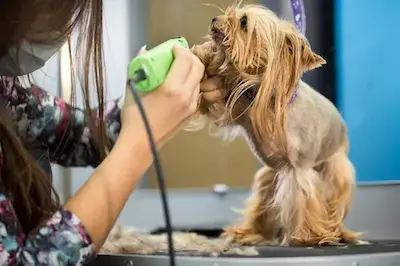
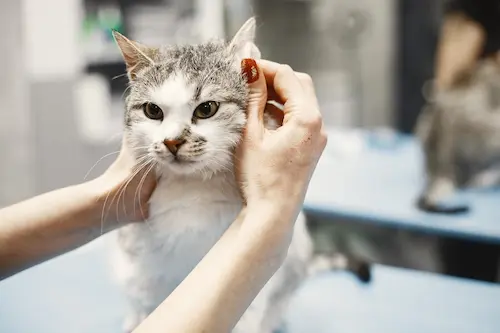
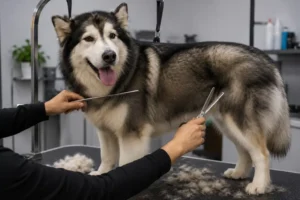
Training isn’t just about behavior—it’s about overall health and comfort too. Regular grooming reduces stress and ensures your dog feels their best. Local services like Pet Grooming Abu Dhabi provide professional care that keeps coats clean and skin healthy.
Grooming and Obedience Hand-in-Hand
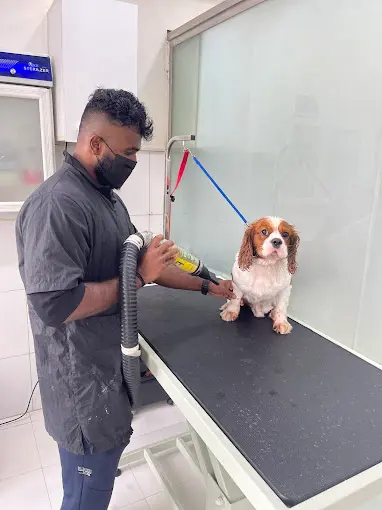
A dog that learns to accept handling during grooming often responds better to obedience training. Services such as Dog Grooming Abu Dhabi help reinforce patience and calmness, which are essential qualities in protection training.
Convenience for Busy Pet Owners
If your schedule doesn’t allow regular salon visits, Mobile Grooming Abu Dhabi services bring professional grooming directly to your home. A clean, well-maintained dog feels more comfortable and confident, both of which support proper training.
Finding the Right Grooming Facility
Just as you carefully choose a trainer, you should also select the right best places for dog grooming. Look for facilities that emphasize gentle handling, experienced staff, and hygienic practices. Proper grooming contributes to both physical and emotional well-being, helping your dog remain balanced and non-aggressive.
Final Thoughts
When it comes to protection training, asking how to train a dog to be aggressive towards strangers is the wrong approach. True protection dogs are not reckless; they are obedient, confident, and alert. Through positive reinforcement, socialization, and consistent training, your dog can be both a loving companion and a reliable guardian.
Combine this training with regular health care and professional grooming services to ensure your dog’s wellbeing. A well-trained, well-groomed dog is not only safe but also a source of comfort and pride for any household.