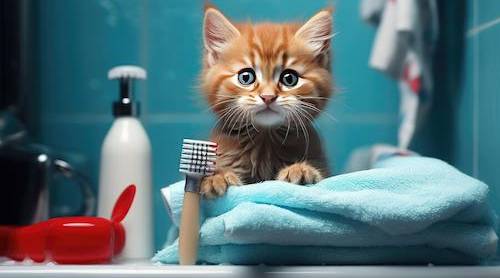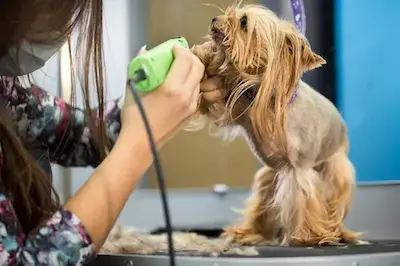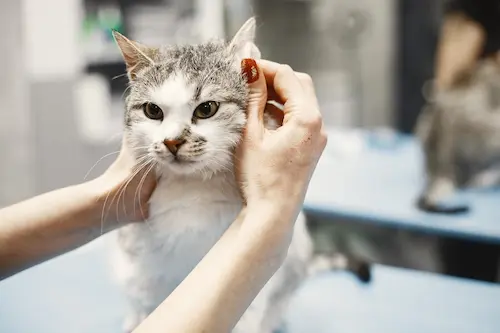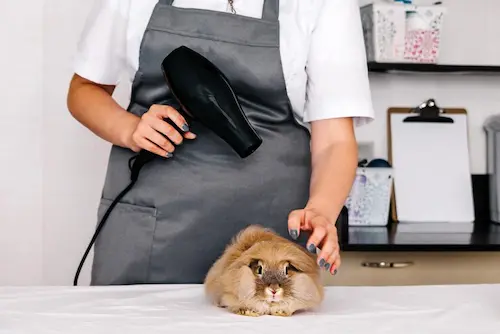

The short answer is: it depends on the type of tree. The holiday season is a magical time for families, filled with twinkling lights, festive decorations, and of course, Christmas trees. As a cat parent in Dubai, however, I’ve learned that the holidays can also come with hidden risks for our furry friends, making regular pet grooming in Abu Dhabi an essential part of keeping them safe and healthy. One question I often hear from fellow pet owners is: “Are Christmas trees toxic to cats?”
From my years of experience caring for cats during the holidays, I want to share practical insights, tips, and safety precautions to ensure your pets stay happy and healthy.
Understanding the Risks: Are Christmas Trees Toxic to Cats?
Both real and artificial trees can pose hazards to cats, though the risks differ.
Real Christmas Trees
Real trees can be appealing to cats because of their smell, texture, and dangling ornaments. But some species, like Pine, Fir, and Spruce, may cause mild gastrointestinal upset if ingested. Pine needles can puncture the digestive tract, and tree sap may irritate your cat’s mouth and skin.
Tips from experience:
- Place a sturdy barrier or tree skirt to discourage nibbling.
- Keep water in the tree stand clean, as stagnant water may contain bacteria that can upset your cat’s stomach.
- Monitor your cat’s behavior around the tree, especially curious kittens.
Artificial Trees
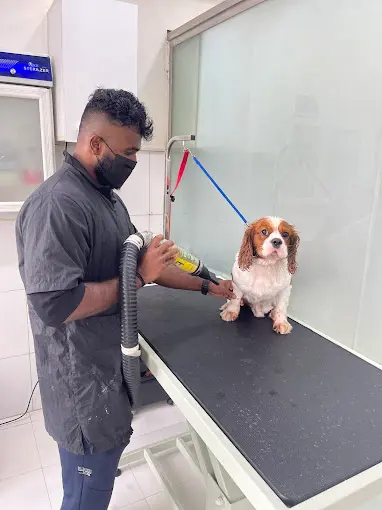
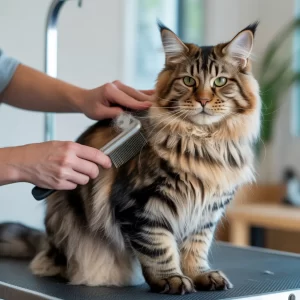
While artificial trees are generally non-toxic, they can still pose risks. Cats may chew on wires, plastic branches, or tinsel, which can cause choking or intestinal blockages. When I was in Dubai, I noticed that regular cat grooming in Abu Dhabi helped keep my pets healthy and safe during the holidays.
Pro tips:
- Avoid tinsel, ribbons, or small decorations that your cat could swallow.
- Secure cords and lights using cord covers to prevent accidental electrocution.
Holiday Grooming Risks for Cats
The holiday season often involves extra cleaning, decorations, and festive sprays, which can affect your cat’s grooming and health. I’ve seen cases where holiday scents or cleaning products caused skin irritation or respiratory issues.
Common holiday grooming risks include:
- Essential oils and sprays: Many holiday fragrances contain toxic essential oils, such as pine, cinnamon, or clove. Cats are highly sensitive to these compounds.
- Over-grooming: Stress from new decorations or visitors can trigger over-grooming, leading to hair loss or skin irritation.
- Holiday foods: Cats are curious about leftovers, but chocolate, onions, and alcohol are highly toxic.
Actionable safety measures:
- Use pet-safe cleaning products and fragrance sprays.
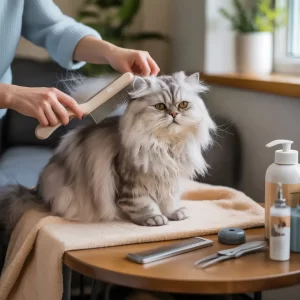
- Maintain regular grooming routines to minimize shedding and matting.
- Keep festive foods out of reach and avoid sharing table scraps.
How to Create a Cat-Friendly Holiday Environment
From my experience, proactive planning can prevent most holiday accidents:
- Secure the tree: Anchor tall trees to walls or ceilings to prevent tipping.
- Choose safe decorations: Opt for shatterproof ornaments and avoid small items.
- Provide distractions: Cat trees, toys, and scratching posts help divert attention from the tree.
- Monitor interactions: Supervise young or adventurous cats around decorations and lights.
When to Call the Vet
Even with precautions, accidents can happen. Signs that your cat may have ingested something toxic include vomiting, drooling, lethargy, or difficulty breathing. If your cat shows any of these signs, it’s best to reach out to your veterinarian right away.
Conclusion
The holidays should be joyful for both humans and cats. While Christmas trees and festive decorations can pose risks, most are preventable with thoughtful planning and supervision. From my personal experience, ensuring a cat-safe holiday environment means selecting safe trees, managing decorations, maintaining grooming routines, and providing nutritious Christmas cat food to keep them happy and healthy. By taking these steps, you can enjoy a stress-free festive season with your feline companion.