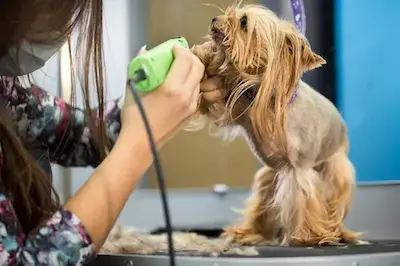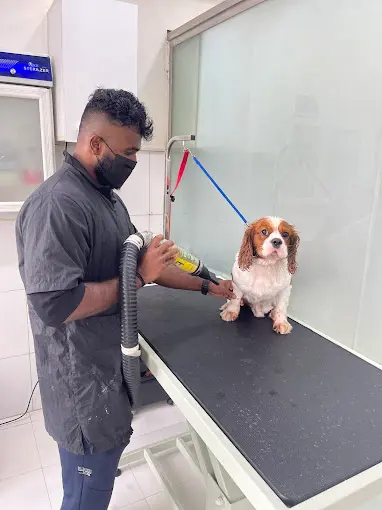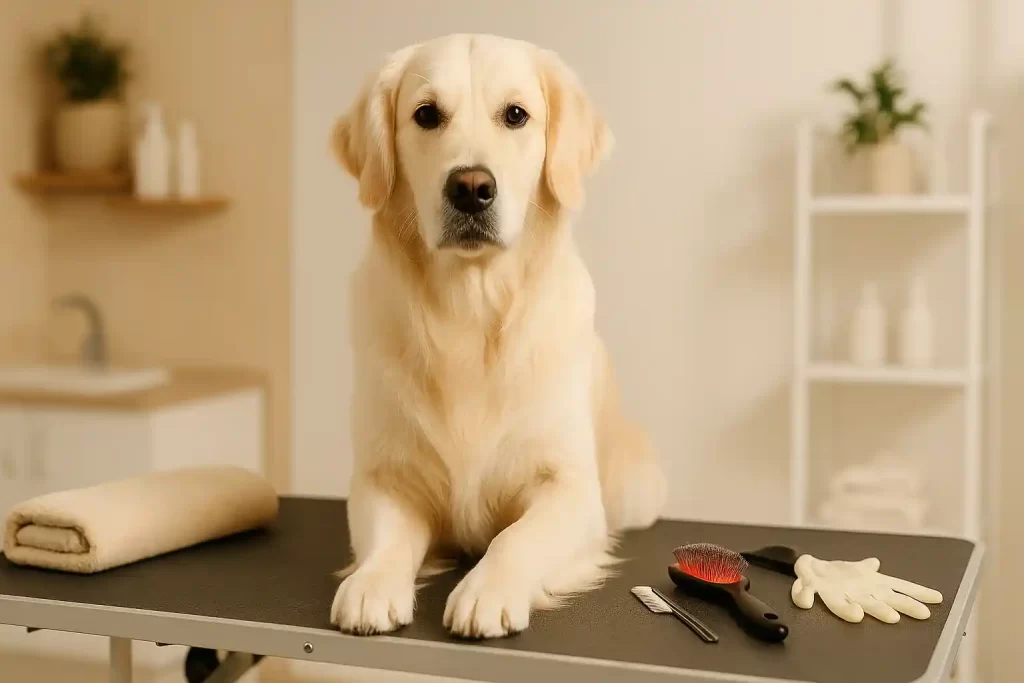

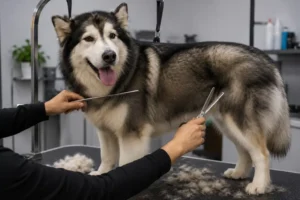
Blocked anal glands happen when they don’t drain naturally, causing swelling and discomfort. It’s often first noticed during grooming, when a dog starts scooting or licking excessively.
Every pet parent wants their furry friend to stay healthy and happy. But sometimes, dogs face a painful and often overlooked issue: blocked anal glands in dogs. If left untreated, this can cause serious discomfort and even infections. Regular Pet Grooming in Abu Dhabi sessions not only improve hygiene but also help spot early signs of gland problems. Let’s see what causes them and how you can help your pup feel better.
Types of Anal Gland Problems in Dogs
Anal gland issues can vary from mild discomfort to severe infections. Here are the most common types:
1. Anal Gland Impaction
When the gland fluid thickens, it can’t drain properly, causing swelling and discomfort. A vet or groomer can gently express the glands to relieve them.
2. Anal Gland Infection or Abscess
When bacteria infect the gland, it becomes red, swollen, and painful. You might see a hot bump near the anus, and your dog may whimper or avoid sitting.
3. Ruptured Anal Gland Abscess
If an abscess bursts, it may leak blood or pus and cause severe pain. Immediate veterinary care is needed to prevent complications.
4. Anal Gland Cancer
In rare cases, anal gland cancer can occur, often in older female dogs or breeds like German Shepherds and Dachshunds. Regular vet checkups help detect it early.
Causes of Anal Gland Problems in Dogs
Any dog can experience anal gland issues, but smaller breeds are more prone. Several factors can increase the risk, such as:
- Being overweight or obese
- Chronic soft stools or diarrhea
- Diets low in fiber
- Food or environmental allergies
- Chronic skin problems
- Genetic predisposition
Along with proper nutrition, regular Dog Grooming in Abu Dhabi visits support better hygiene and help detect issues early.
Common Signs of Anal Gland Problems
Your dog can’t tell you they’re in pain, but their behavior often gives clues. Watch for these warning signs:
- Scooting or dragging their bottom on the floor
- Excessive licking or biting near the tail or anal area
- Trouble passing stool or straining
- Swelling, redness, or discharge near the anus
- Blood or pus in the stool
If you notice any of these symptoms, it’s time to visit your vet.
Treatment for Blocked Anal Glands in Dogs
Treatment depends on how severe the problem is. Here’s what your vet may recommend:
- Manual Expression: The vet may gently squeeze the glands to remove the buildup.
- Antibiotics or Pain Relief: If infection is present, medication will help clear it up and ease discomfort.
- Dietary Changes: Adding fiber-rich food or supplements helps firm up stools, allowing the glands to empty naturally.
- Supplements: Omega-3 or fish oil can support gland health and reduce inflammation.
- Surgery: In chronic or severe cases, the glands may be surgically removed.
Grooming Tips to Prevent Anal Gland Issues
Regular grooming can help keep your dog’s rear area clean and healthy. Here’s how:
- Schedule professional grooming every 4 to 6 weeks.
- Maintain a balanced diet with enough fiber.
- Keep your dog active to prevent obesity.
- Clean your dog’s bottom after bowel movements if necessary.
- Have your groomer or vet check the anal glands during routine visits.
When to See a Vet
If your dog shows persistent scooting, pain, or discharge near the anal area, don’t wait; contact your vet right away. Quick treatment can prevent infection and save your dog from unnecessary pain.
Final Thoughts
Blocked anal glands in dogs are common but manageable with proper care, diet, and hygiene. Regular grooming, healthy nutrition, and early vet visits can help your dog avoid discomfort and stay happy. For more insights on maintaining your pet’s hygiene and overall well-being, check out our Early Detection guide on Dog Grooming & Skin Papilloma.
Your furry friend depends on you to notice the small signs, so a little attention can go a long way in keeping that tail wagging!
FAQs
How do I know if my dog’s anal glands are blocked?
Watch for scooting, excessive licking near the tail, or a sudden reluctance to sit. These are usually the first signs owners notice.
Can groomers express anal glands during a regular grooming session?
Yes, most groomers check and express anal glands as part of routine grooming, which is often how issues get caught before they become painful.
How often should a dog’s anal glands be checked?
Every 4 to 6 weeks during regular grooming is usually enough, though small breeds prone to impaction may need more frequent checks.
Is it normal for a dog’s anal glands to fill up regularly?
Not always. Some dogs naturally express their glands during bowel movements, while others, especially smaller breeds, need help doing so consistently.
Can diet really prevent anal gland problems in dogs?
Yes, a fiber-rich diet helps produce firmer stools, which naturally helps express the glands during bowel movements, reducing the chance of buildup.
When does a blocked anal gland become an emergency?
If you see swelling, discharge, blood, or your dog seems to be in significant pain, that needs a vet visit right away, not just a grooming appointment.