


Dealing with acat ear yeast infection can be stressful, especially when your cat keeps scratching, shaking their head, or avoiding touch. As someone who has worked closely with professional groomers and cared for cats over the years, I’ve seen this issue more times than I can count, especially when I was in Subi and working closely with Pet Grooming Services in Abu Dhabi, where early signs of ear yeast infections were often noticed during routine grooming sessions. While veterinary care is essential for severe cases, there are safe, groomer-recommended home remedies that can help manage mild yeast infections and support ear health when used correctly.
This guide shares my personal experience, expert-backed advice, and practical steps you can safely follow at home.
Understanding Cat Ear Yeast Infections
A cat ear yeast infection occurs when yeast naturally present in the ear overgrows. From my experience, this usually happens due to moisture buildup, allergies, or weakened immunity.
Common Symptoms to Watch For
- Persistent head shaking.
- Scratching or rubbing the ears.
- Dark brown or yellow ear discharge.
- Redness and swelling.
- Unpleasant, yeasty odor.
If these signs worsen or last more than a few days, a vet visit is non-negotiable.
Why Groomers Often Spot the Problem First
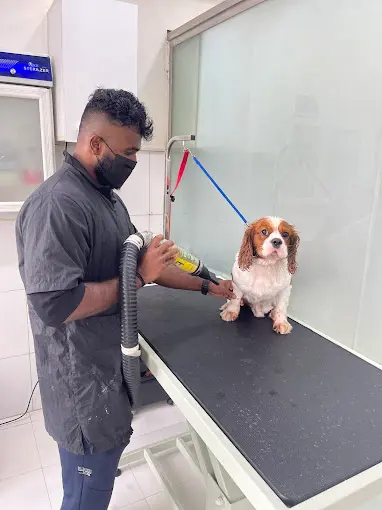
Professional groomers handle cats regularly, which gives them a trained eye for early warning signs. In grooming salons, ear checks are routine, and when I was in Dubai observing Cat Grooming Abu Dhabi practices, I personally saw groomers catch early yeast infections in cats before pet owners noticed anything unusual.
Groomers don’t diagnose, but they:
- Identify abnormal discharge.
- Notice strong odors.
- Alert owners before infections worsen.
Their recommendations often focus on safe ear hygiene and prevention.
Groomer-Recommended Cat Ear Yeast Infection Home Remedies
1. Diluted Apple Cider Vinegar (With Caution)
Many groomers suggest apple cider vinegar because it creates an environment that yeast dislikes.
How to use:
- Mix the same apple cider vinegar and distilled water.
- Lightly dampen a cotton pad.
- Gently wipe only the visible ear area.
Never use it if the ear is raw, bleeding, or severely inflamed.
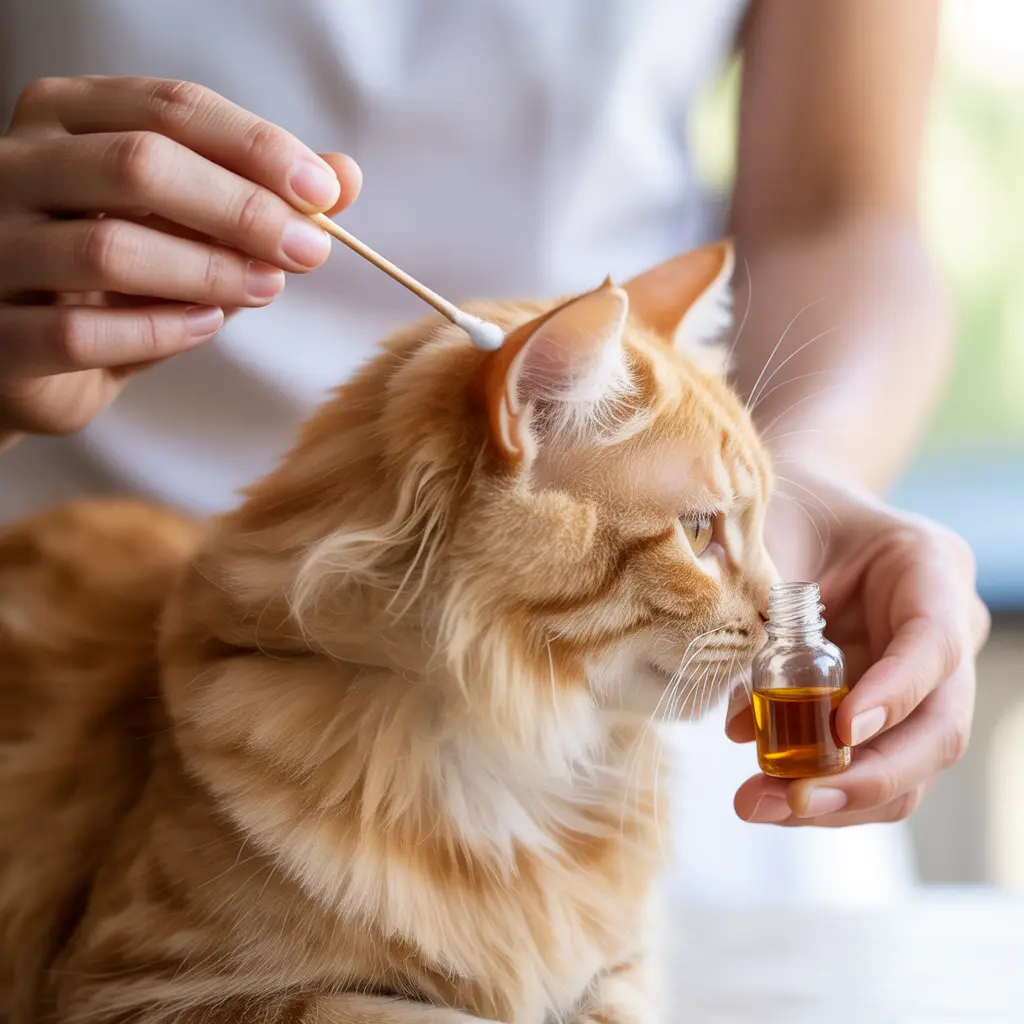
2. Coconut Oil for Soothing Relief
From personal experience, coconut oil works well to calm irritation and has mild antifungal properties.
Tip:
Use a tiny amount on a cotton pad and gently clean the outer ear. 3. Veterinary-Approved Ear Cleaning Solutions
Most groomers strongly recommend cat-safe ear cleaners over DIY mixes. These are designed to balance pH and remove excess yeast safely.
Best practice:
- Use once or twice weekly.
- Follow the product instructions.
- Stop if irritation increases.
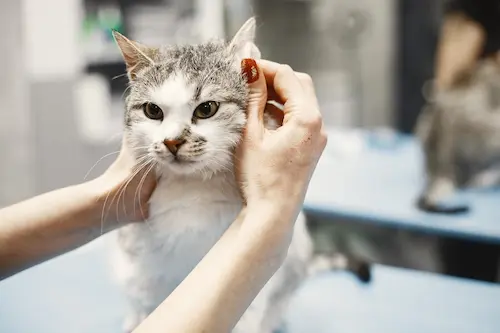
How to Clean Your Cat’s Ears Safely at Home
Improper cleaning can make yeast infections worse. Here’s the method groomers trust:
- Choose a calm, quiet space.
- Use soft cotton pads (no cotton swabs).
- Clean only what you can see.
- Reward your cat after each session.
Consistency matters more than force.
When Home Remedies Are Not Enough
Based on experience, home remedies are supportive, not curative. You must see a vet if:
- Symptoms persist beyond 5 to 7 days.
- There is thick, foul-smelling discharge.
- Your cat shows pain or balance issues.
Chronic infections often require antifungal medication and allergy management.
Preventing Future Yeast Infections
Prevention is where groomers truly shine. Simple habits can reduce recurrence:
- Keep ears dry after baths.
- Schedule regular grooming checks.
- Use preventive ear cleaners monthly.
- Address food or environmental allergies.
Healthy ears are part of overall feline wellness.
Final Thoughts
A cat ear yeast infection home remedy, when chosen wisely, can ease discomfort and support healing in mild cases. From my hands-on experience and advice shared by professional groomers, gentle cleaning, proper products, and early action make all the difference. Always listen to your cat’s signals, and if your Cat Hates Grooming, never hesitate to involve a veterinarian when needed.
Healthy ears mean a happier, more comfortable cat, and peace of mind for you as a pet parent.