

Earwax, or to give it its scientific name, cerumen, is a waxy substance which is produced by the ear canal glands. Often, it is considered unhygienic and something to get rid of; however, it performs a crucial function. It is your dog’s first defense against the outside agitators, such as dust, dirt, and other debris.
This sticky stuff is important for humans and dogs as it keeps potential infections at bay.
Now let’s answer the main question.
Yes, earwax in dogs is completely normal. We would go a step further by saying that it is, in fact, important that your dog produces wax. It’s a sign that your dog’s ears keep out the bad stuff.
But as is the universal truth: Excess of everything is bad.
Too much earwax or changes in its appearance can indicate that help is needed. Given the UAE’s excessive heat, dust, and dirt, dog owners must understand what is normal and what should be considered a red flag.
Understanding the Anatomy of a Dog’s Ear
To truly understand earwax, it’s helpful to start with the anatomy of dog ears. A dog’s ear canal is L-shaped, making it deeper and more curved than a human’s. This structure helps protect the sensitive inner parts of the ear from dirt and debris, but it can also make cleaning a bit tricky.
The external part of the ear, called the pinna, captures sound waves and channels them down the ear canal. From there, the canal moves downward and inward before reaching the eardrum.
This L-shaped design is why dogs can get a wax buildup and why infections may develop if the wax isn’t managed properly.
The inner ear contains vital components for hearing and balance. Any inflammation or blockage from excess wax, moisture, or debris can interfere with these functions. This makes it crucial to monitor your dog’s ear health and understand the structure that supports their hearing and equilibrium.
Ear Wax and the Self-Maintaining Mechanism in Dog Ears
Dogs’ ears have a remarkable self-cleaning system. Normally, the movement of a dog’s jaw when it eats or chews helps move old earwax out of the canal and toward the ear opening, where it either falls out or can be gently wiped away.
This process maintains a healthy balance and keeps the ears free from buildup. However, this balance is delicate.
Too much cleaning, improper technique, or underlying conditions can disrupt the natural rhythm and lead to issues like irritation or infection. Conversely, leaving wax to build up unchecked can create a warm, moist environment ideal for bacterial and fungal growth.
That’s why it’s important for pet owners in the UAE to understand that earwax, in the right amount, is not harmful. Instead, it’s a helpful ally, until something throws the system off.
Knowing when to intervene and when to let the ear do its thing can be the key to long-term ear health.
Breeds Prone to Excess Ear Wax
Some dogs are more likely to produce excess earwax due to genetics, ear shape, or activity levels. UAE dog owners should pay extra attention if they have one of these breeds, especially in a warm and dusty climate. Breeds prone to excess earwax are:
- Cocker Spaniels
- Basset Hounds
- Labrador Retrievers
- Golden Retrievers
- Poodles (and Poodle mixes)
- Bulldogs
- Shar Peis
- Shih Tzus
- Beagles
- Dachshunds
These breeds often have floppy ears, narrow canals, or a higher density of ear hair, which can trap wax and moisture and make regular monitoring necessary.
Causes of Increased Ear Wax Production in Dogs
While some earwax is normal, various factors can lead to overproduction or accumulation. Identifying these triggers can help dog owners proactively manage their pet’s ear health.
- Allergies: Allergic reactions to food, pollen, or dust can cause ear inflammation, increasing wax production as the body tries to protect itself.
- Ear Mites: These tiny parasites can irritate the ear canal, leading to dark, gritty wax buildup and intense itching.
- Yeast or Bacterial Infections: Moisture, especially after bathing or swimming, can lead to infections that cause excessive wax and foul odors.
- Foreign Objects or Debris: Sand, grass seeds, or dirt getting lodged in the ear can trigger more wax as a protective response.
- Improper Cleaning or Grooming: Using harsh products or inserting items deep into the ear canal can irritate the skin and stimulate wax production.
- Hormonal Imbalances: Some endocrine issues, like hypothyroidism, may alter skin and gland function, affecting wax output.
Should You Clean Your Dog’s Ears Yourself?
This is where things get a bit tricky. While a clean ear is healthy, too much cleaning, or doing it incorrectly, can do more harm than good.
Dogs’ ears are finely balanced systems, and disturbing that balance through over-cleaning can lead to dryness, irritation, or even secondary infections.
On the other hand, under-cleaning can allow wax to build up and create a haven for yeast or bacteria. Finding your dog’s right routine means understanding their needs, breed traits, and lifestyle.
A dog who swims regularly or plays outdoors may need more frequent ear care than a lap dog who stays inside.
For most UAE dog owners, a monthly check at home is enough. Look, sniff, and wipe the outer ear if you see dirt or wax but avoid going deep. It’s always better to consult a groomer or veterinarian when in doubt.
How Professionals Handle Dog Ear Cleaning?
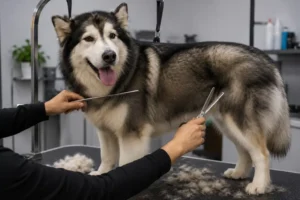
While minor ear cleaning can be done at home, professional dog grooming in Abu Dhabi ensures a thorough and safe process, especially for breeds prone to ear issues. Vets and groomers are trained to clean the ears without damaging the sensitive structures.
Step 1: Inspection and Diagnosis
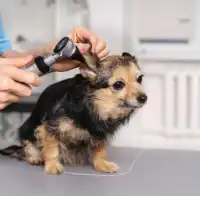
Before cleaning, a professional will visually inspect the ear using an otoscope. This helps identify any inflammation, infection, foreign bodies, or mites. If a medical issue is present, cleaning is postponed until the underlying problem is treated.
In some cases, the vet may use an ear swab to collect a sample of discharge for microscopic examination or lab culture. This helps determine whether bacteria, yeast, or mites are present and guides the selection of appropriate treatment.
Forceps or tweezers may be used gently to remove visible foreign objects near the ear opening, but only under proper restraint and lighting.
Step 2: Choosing the Right Cleaner
Not all cleaning products are safe for your dog. Professionals select a vet-approved solution based on your dog’s condition, whether antibacterial, antifungal, or moisturizing.
The pH balance and ingredients are carefully considered to avoid irritation or allergic reactions. Some solutions also contain drying agents to prevent moisture buildup, which is especially useful for dogs that swim often.
The product chosen always supports ear health without disrupting the natural microbial balance.
Step 3: Application of Cleaner
The solution is gently applied to the ear canal, and the base of the ear is massaged. This helps break up wax and debris and allows the liquid to reach deeper parts of the canal.
Massaging the base also helps loosen hardened wax and makes removal easier. The dog may shake its head afterward, which helps expel softened debris naturally. Professionals ensure the dog is calm and comfortable during this step to minimize stress and encourage cooperation.
Step 4: Wiping Away Debris
After the solution works, a cotton pad or soft cloth removes the loosened wax. Professionals avoid using cotton swabs deep in the canal, which can push debris further in.
They gently clean only the visible part of the ear and use sterile materials to prevent the introduction of new bacteria. Any discharge, odor, or inflammation signs are noted and may prompt further medical evaluation.
This step is performed slowly and carefully to ensure no residue is left behind.
Step 5: Monitoring and Aftercare
The vet or groomer may recommend at-home care instructions, follow-up cleanings, or ear drops if inflammation or infection is suspected. They’ll also teach you to monitor your dog’s ears between appointments.
Owners are advised on the ideal cleaning frequency based on the dog’s breed, activity level, and medical history. In cases where an infection was treated, a re-check may be scheduled to confirm that the condition has resolved.
Signs Your Dog Might Need Help
Dogs can’t tell us when something feels wrong, so we must spot the warning signs. Early detection of ear problems can prevent more serious issues like chronic infections or hearing loss.
If your dog is shaking their head frequently, scratching their ears excessively, or whining when their ears are touched, it may be a sign of discomfort. A strong or foul smell from the ears, redness, discharge, or visible debris are also red flags.
Behavioral changes, such as irritability or sudden loss of balance, may point to more serious inner ear infections. In such cases, immediate veterinary attention is crucial. Staying observant and proactive is the best thing you can do for your pet’s health.
Conclusion
Yes, dogs have earwax, which is essential in protecting their ears from dirt, infection, and debris. But just like anything else, moderation is key.
Understanding your dog’s breed, lifestyle, and individual health needs can help you strike the right balance between letting nature do its job and stepping in when necessary.
Regular check-ups, mindful grooming, and paying attention to signs of discomfort go a long way in keeping your dog’s ears clean and infection-free, especially in the UAE’s warm and sandy environment.
Need Help with Your Dog’s Ear Cleaning? Mr Pets Has You Covered!
Whether your pup needs a routine cleaning or you’re concerned about unusual wax buildup, the expert groomers and veterinary professionals at Mr Pets are here to help.
We offer stress-free, hygienic ear cleaning as part of our pet grooming services in Abu Dhabi, and our team is trained to handle even the most sensitive dogs with care. Book your appointment today and keep your furry friend’s ears clean, comfortable, and healthy.