


Introduction: Why Flaky Skin in Dogs Matters
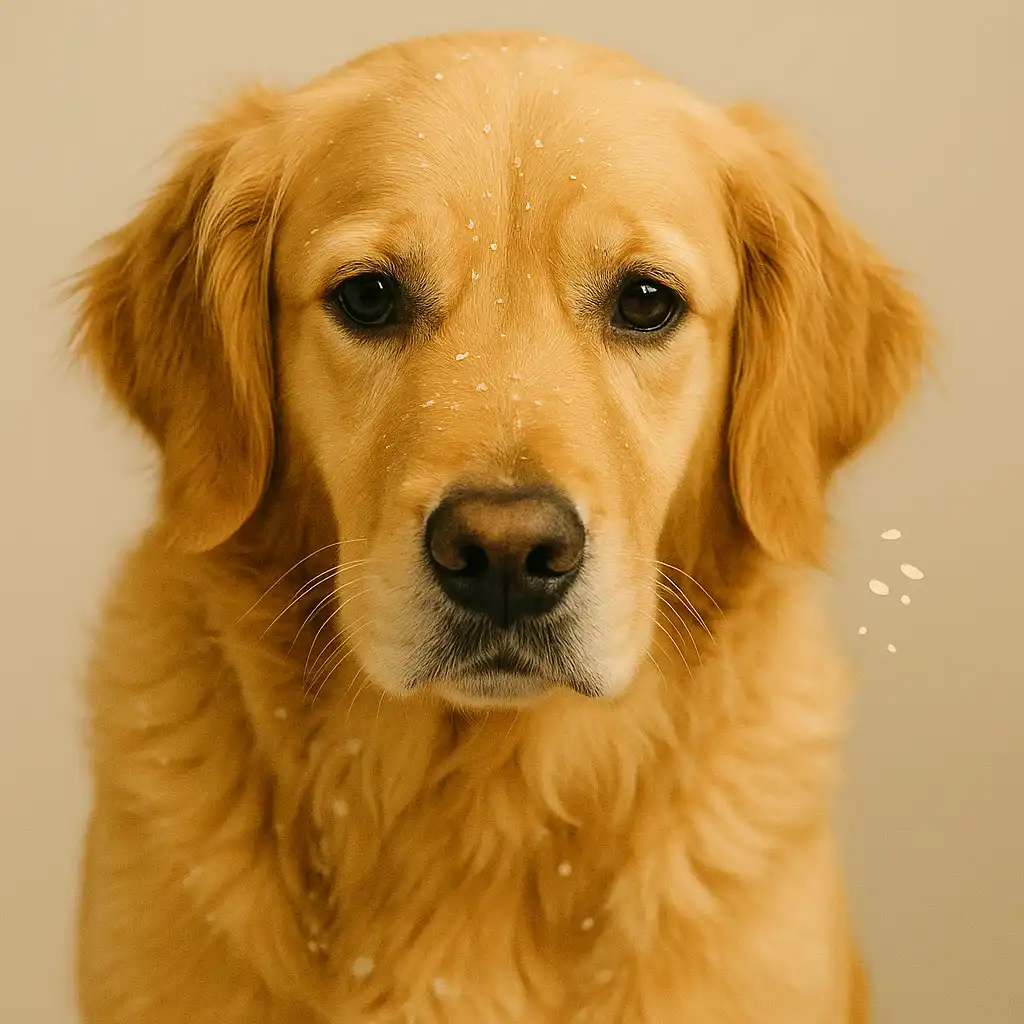
Flaky skin in dogs is more than just a cosmetic concern—it’s a window into their overall health. Many pet owners notice white flakes on their dog’s coat, especially when brushing or after play. While sometimes mild, persistent flakes can indicate deeper issues like allergies, parasites, or nutritional deficiencies. From my own experience working with pet owners in the UAE, I’ve seen how quick detection and care can prevent small issues from becoming major health problems.
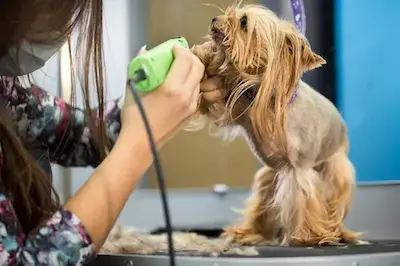
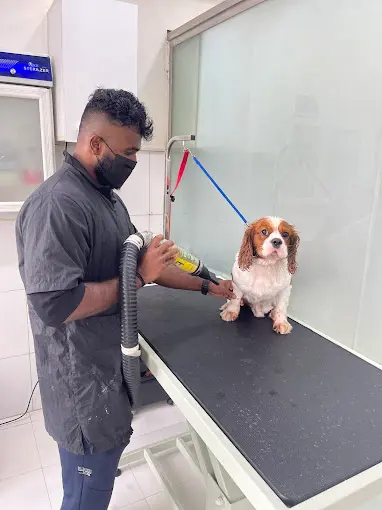
If you live in the UAE, grooming plays a big role in keeping your pet’s coat and skin healthy. For example, regular pet grooming in Abu Dhabi services often reveal skin changes that owners might miss at home.
Common Causes of Flaky Skin in Dogs
1. Allergies and Environmental Triggers
Dust, pollen, and household cleaning products can irritate your dog’s skin. Allergies often cause itchiness, redness, and dryness, leading to visible flakes. In UAE households with AC running year-round, dry air can worsen the problem.
2. Parasites (Mites & Fleas)
External parasites like mites (causing mange) or fleas often result in excessive scratching and flaky patches. In one case I handled, a Labrador had severe flaking that only resolved after a vet prescribed treatment for mites.
3. Poor Nutrition
Dogs need balanced diets rich in fatty acids, vitamins, and minerals. Without these, their coat becomes dull and skin prone to flaking. High-quality dog food, or supplements recommended by a veterinarian, can make a visible difference within weeks.
4. Infections (Bacterial or Fungal)
Skin infections, including yeast or bacterial growth, can dry out skin and cause dandruff-like flakes. These usually require professional diagnosis and medication.
5. Underlying Medical Conditions
Sometimes, flaky skin is linked to endocrine disorders such as hypothyroidism or Cushing’s disease. These require veterinary tests and long-term management.
Practical Tips for Pet Owners
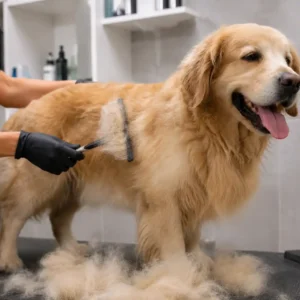
- Regular Grooming: Brush your dog’s coat several times a week to remove loose skin and distribute natural oils.
- Hydration & Diet: Ensure your dog drinks enough water and eats balanced meals. Omega-3 fatty acids are especially helpful for skin health.
- Moisturizing Shampoos: Use dog-safe shampoos with oatmeal or aloe vera. Avoid human shampoos—they strip essential oils from your dog’s coat.
- Routine Vet Visits: Annual check-ups catch health issues before they escalate.
- Observation: Pay attention to changes in scratching, redness, or odor. Early detection can save your pet from discomfort and costly treatments.
Role of Professional Grooming
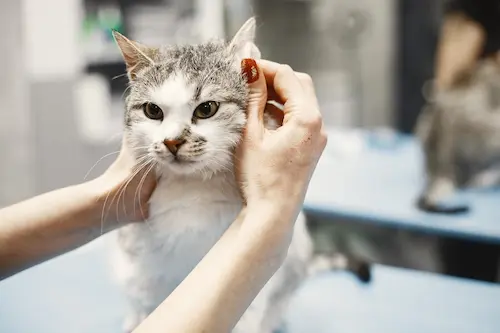
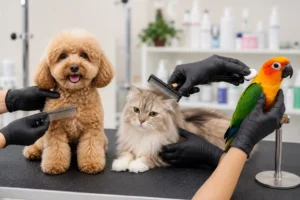
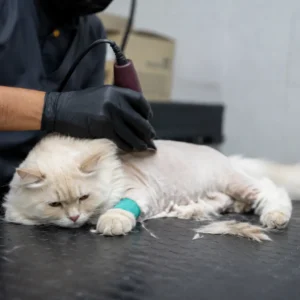
Professional grooming not only improves appearance but also helps in early detection of skin issues. Groomers can spot lumps, bumps, and excessive flakes that owners may overlook. Many pet owners in the UAE rely on dog grooming services in Abu Dhabi services for expert care, ensuring that their dogs remain comfortable even in the region’s hot, dry climate.
When to See a Veterinarian
If flaky skin persists despite basic care, or if you notice symptoms like hair loss, sores, or foul odor, consult a vet. Veterinary dermatologists can run tests to rule out parasites, infections, or chronic conditions. It’s always better to act early rather than wait for the issue to worsen.
Final Thoughts
Flaky skin in dogs is common but shouldn’t be ignored. From allergies to diet and infections, there are multiple causes that every pet owner should understand. Regular grooming, proper diet, and timely vet visits go a long way in keeping your pet’s skin healthy.
In some cases, flakes may point to growths or other conditions like skin papilloma in dogs, which require professional evaluation. Always consult a vet for persistent or unusual skin problems to ensure your furry friend’s long-term well-being.