Grooming is essential to a dog’s overall health, regardless of whether your pup is a calm couch dweller or a bit of a wild card.
Regular grooming keeps their coat healthy, reduces shedding, prevents painful matting, and allows owners or groomers to check for skin issues, ticks, or other hidden health concerns.
However, not all dogs are eager for a bath or a haircut. Many pet grooming services in Abu Dhabi regularly encounter dogs who growl, snap, or refuse to be touched. These aggressive behaviours aren’t always signs of a bad dog.
These behaviours are often rooted in fear, trauma, or discomfort. Still, they make grooming sessions more challenging and potentially risky for everyone involved.
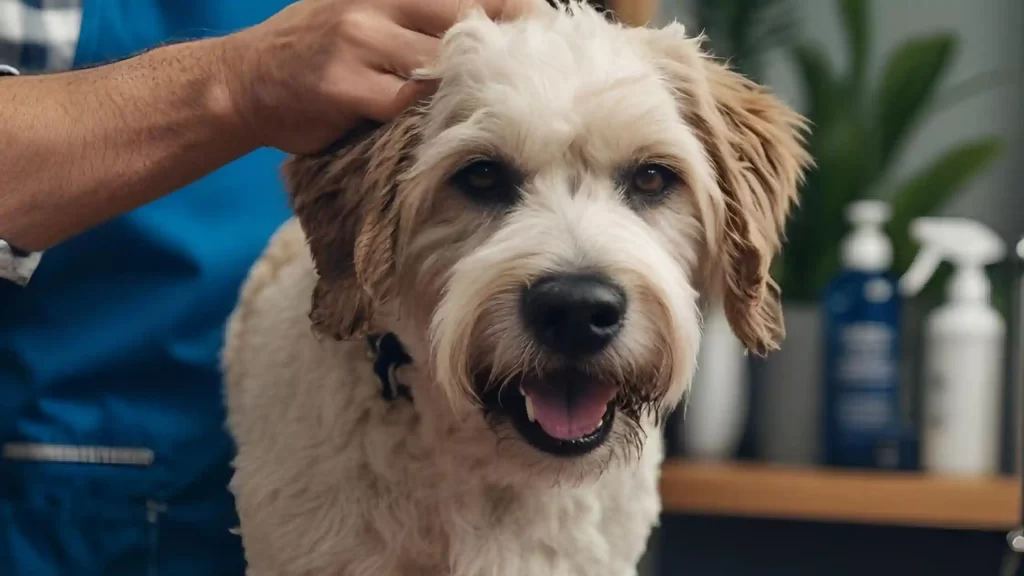
Signs of Aggression During Grooming Sessions
Aggressive dogs tend to exhibit various warning signs before and during grooming. Recognizing these early can help prevent escalation and injury.
One of the most common signs is growling, which often acts as a dog’s first verbal warning that they’re uncomfortable or anxious.
Other dogs may resort to snapping, biting, or lunging, especially when touching sensitive areas like paws, ears, or the tail. Some dogs may also exhibit stiff body language, raised hackles, or intense staring, which are signals of discomfort or fear.
Sometimes, a dog might become overly defensive when water is sprayed on them or when clippers and scissors come close, especially if they’ve had negative grooming experiences.
Even smaller signs like excessive lip licking, yawning, or avoidance behaviours can be early indicators that a dog is approaching its stress limit. These warning signs should never be ignored, as they often precede more serious outbursts.
Why Grooming an Aggressive Dog Is So Difficult
Grooming an aggressive dog poses unique challenges because you’re working in close contact for an extended period. This process involves handling tools that make noise, vibrate, or touch sensitive areas—often triggering fear-based responses, especially in dogs unaccustomed to professional dog grooming in Abu Dhabi.
In addition, grooming involves physical restraint for safety, which many dogs perceive as threatening. If a dog already associates grooming with discomfort, it can lead to a cycle of stress, resistance, and increased aggression.
Dogs with a history of trauma or poor socialization are particularly vulnerable to this pattern.
Forcing grooming on an aggressive dog is stressful for the pet and dangerous for the groomer. It can result in bites, injuries, or lasting fear for the dog.
Step-by-Step: How Professionals Groom Aggressive Dogs
But don’t worry. It’s not impossible to groom an aggressive dog just because it’s tricky. Let’s have a look at how professionals handle aggression.
1. Assessment Before Touching the Dog
Professional groomers begin with a calm, observational assessment. They take note of the dog’s body language, how it responds to new environments, and whether any triggers are present.
This step is critical to plan the safest approach. Some dogs may allow brushing but resist clippers, while others become reactive when their paws are handled.
2. Using Muzzles or Protective Equipment (If Necessary)
Sometimes, a groomer may use a soft muzzle or Elizabethan collar to prevent biting during grooming.
These tools are used not to punish the dog but to protect the groomer and the pet from harm. Professionals introduce this gear gradually and gently, ensuring the dog doesn’t associate it with panic.
The goal is to reduce risk without escalating the dog’s anxiety.
3. Creating a Calm and Controlled Environment
Minimizing stress is key. Groomers often use quiet rooms, non-slip mats, dim lighting, and gentle music to create a soothing atmosphere. They avoid sudden movements and speak in low, reassuring tones.
Professionals help keep the dog as relaxed as possible by creating a peaceful grooming space.
4. Desensitizing and Working in Short Sessions
Rather than rushing, professionals break the grooming session into small, manageable parts. For example, they may only bathe on the first visit and trim the next day.
This slow, desensitizing process helps the dog gradually learn that grooming isn’t threatening. With consistency, even aggressive dogs can become more tolerant over time.
5. Using Low-Stress Handling Techniques
Experienced groomers can position their hands and bodies to maintain gentle but firm control without increasing fear. They avoid harsh restraints and use techniques like towel wrapping or positioning the dog comfortably.
Touching less sensitive areas first and gradually moving to trouble zones also helps reduce stress.
6. Rewarding Calm Behavior
Positive reinforcement is a major part of grooming success. Treats, praise, or short breaks are given when the dog behaves well or allows a certain task.
This builds trust and helps the dog associate grooming with good things. Over time, even dogs with a history of aggression can start to accept and even enjoy grooming.
Common Mistakes to Avoid When Grooming an Aggressive Dog
One of owners or inexperienced groomers’ biggest mistakes is rushing the process. Trying to complete an entire grooming session in one go can overwhelm an aggressive dog and cause panic or escalation. Instead, slow and steady wins the race.
Another error is ignoring the dog’s warning signs. If a dog is growling or tensing up, stopping and reassessing is crucial. Continuing to push forward may lead to biting or a complete breakdown in trust.
Similarly, punishment-based techniques, such as yelling or forcing compliance, can worsen fear and aggression in the long run.
Using the wrong tools or environments can also increase tension. For example, noisy dryers or slippery grooming tables might make a nervous dog more reactive. It’s also a mistake to groom without proper restraint or safety precautions, as this puts both the pet and the handler at risk.
Conclusion
Grooming an aggressive dog is never easy, but with patience, preparation, and the right techniques, it is possible to make the process safe and less stressful for everyone involved.
Whether it’s due to fear, pain, or past trauma, aggression can be managed effectively by professionals who understand the needs of anxious pets.
Avoiding common mistakes and embracing low-stress methods are key to long-term grooming success. With time, even the most difficult dogs can learn that grooming doesn’t have to be scary.
Let Mr Pets Help You Groom with Confidence
If you have an aggressive or anxious dog that needs grooming, Mr Pets is here to help. The expert team at our pet grooming servfdfice in Abu Dhabi is trained in gentle handling techniques, behaviour assessment, and low-stress grooming methods tailored to each dog.
Don’t risk injury or stress. Book your dog’s grooming appointment today and give them the calm, caring experience they deserve.