
Dogs are just as prone to skin problems as humans. From allergic reactions and fungal infections to insect bites and dry skin, our four-legged friends can face various dermatological issues.
Hot spots are among the most uncomfortable and common conditions, including red, moist, and irritated patches that can appear suddenly and spread rapidly. For pet owners in Abu Dhabi, especially during the region’s hot and humid months, understanding and addressing hot spots is essential for their dog’s well-being.
In this blog, we’ll break down what hot spots are, why they occur, how to spot them, and, most importantly, how to treat and prevent them. Whether a first-time pet parent or a seasoned dog lover, this guide will help you keep your furry companion healthy and itch-free.
What Are Hot Spots in Dogs?
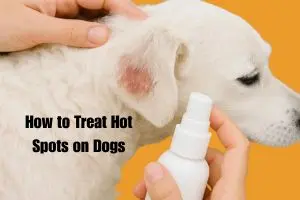
Hot spots, also known as acute moist dermatitis, are inflamed, infected areas of your dog’s skin. These patches can appear suddenly, often as a result of your dog licking, chewing, or scratching one particular spot.
The result is a painful, red lesion that’s warm to the touch and may ooze pus or have crusty edges. Hot spots can occur anywhere on the body, but are most common on the head, hips, and legs.
They are extremely common in Abu Dhabi’s climate, where heat, humidity, and allergens can aggravate your dog’s skin. Some dogs are more prone to developing hot spots due to breed, coat type, or pre-existing skin conditions.
Left untreated, these lesions can worsen quickly, leading to deeper skin infections and widespread discomfort.
Recognizing the Symptoms of Hot Spots
Hot spots aren’t always obvious in their early stages, especially if your dog has a thick or long coat. However, keeping a close eye on your dog’s behavior and appearance changes can help you catch the problem early.
Look out for these common signs of hot spots:
- Persistent licking, chewing, or scratching: If your dog keeps focusing on one specific area, it may be trying to relieve discomfort caused by a developing hot spot.
- Red, inflamed skin patches: A hot spot is a bright red, moist lesion. The area may look raw and feel warm to the touch.
- Hair loss around the irritated area: You’ll often notice fur loss surrounding the hot spot, exposing the irritated skin underneath.
- Oozing or pus-filled sores: The spot may ooze pus as the infection develops or develop a crusty scab on top.
- Foul odor: Bacterial infections in hot spots often produce a distinct, unpleasant smell.
What Causes Hot Spots in Dogs?
Hot spots don’t just appear out of nowhere. There’s usually an underlying trigger or behavior that leads to their development. Understanding these causes can help you take preventive steps. Common causes include:
- Allergies: Dogs with food allergies, environmental sensitivities, or flea allergies are more prone to skin inflammation and excessive scratching.
- Parasites: Fleas, ticks, and mites can irritate the skin, prompting dogs to scratch or bite themselves excessively, resulting in hot spots.
- Poor grooming: A matted coat can trap moisture and bacteria close to the skin, increasing the risk of hot spots, especially in humid climates like Abu Dhabi.
- Ear infections or anal gland issues: Dogs suffering from these conditions may lick or scratch the affected areas, triggering the onset of hot spots nearby.
- Stress or boredom: Dogs may resort to obsessive licking and chewing when anxious or not mentally stimulated.
- Skin injuries: Cuts, abrasions, or insect bites can break the skin barrier and become infected if your dog licks the wound excessively.
Treatment Options for Hot Spots in Dogs
Once a hot spot develops, it needs immediate attention to prevent further discomfort and infection. Here are the most effective treatment methods:
1. Veterinary Examination and Antibiotics
The first step in treating a severe or spreading hot spot is to consult a veterinarian. A professional can assess the severity and may prescribe topical or oral antibiotics to treat bacterial infection.
Anti-inflammatory medications may also be used to reduce swelling and discomfort. This method is especially effective when the hot spot is large or has been left untreated for several days.
Veterinary treatment ensures an accurate diagnosis, ruling out other skin issues like fungal infections or mange. Your vet may also check for underlying causes such as allergies or parasites.
Blood tests or skin scrapings may be conducted for a thorough evaluation. Sometimes, follow-up appointments are required to monitor healing and adjust medication.
2. Clipping and Cleaning the Affected Area
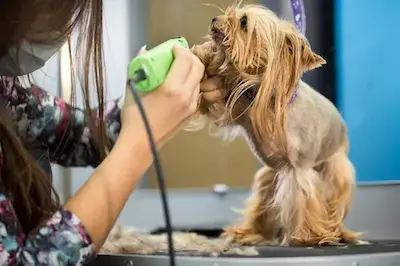
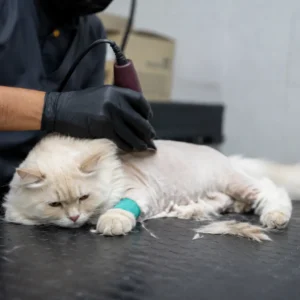
To allow proper air circulation and access to the wound, your vet or groomer may clip the hair around the hot spot. The area is then gently cleaned with an antiseptic solution like chlorhexidine. This reduces bacteria and helps soothe the skin and accelerate healing.
Proper clipping prevents further matting and makes it easier to apply topical medications effectively. The process also allows pet parents to monitor the healing progress.
Some grooming salons offering dog grooming in Abu Dhabi are trained to spot these issues early and provide basic cleaning before referring you to a vet. Repeated cleaning over several days is often required until the lesion fully heals.
3. Topical Medications
Special sprays, creams, or medicated wipes can be applied directly to the hot spot. These often contain ingredients like hydrocortisone to reduce inflammation and lidocaine to numb the area. This treatment is ideal for small to moderate hot spots and can provide rapid relief.
Some topical solutions include natural antibacterial agents like tea tree oil or calendula, though care should be taken as not all ingredients are safe for dogs to ingest. The application must be done gently to avoid aggravating the wound.
Your vet will advise how often the medication should be applied and whether to clean the area before reapplication.
4. Elizabethan Collar (E-Collar)
Your vet might recommend an E-collar to stop your dog from further licking or biting the hot spot. While not a treatment per se, it’s a critical part of preventing the wound from worsening during the healing phase.
It creates a physical barrier, giving the skin time to recover without additional trauma. Though dogs may initially resist wearing the collar, they usually adapt within a few hours. There are also soft or inflatable versions available for added comfort.
Your vet can help you choose the best option based on your dog’s size, temperament, and activity level.
Home Remedies for Hot Spots
In mild cases or when veterinary care isn’t immediately accessible, you can try the following home remedies:
1. Saltwater Rinse
A gentle rinse from warm water and non-iodized salt can help clean the hot spot and draw out bacteria. Use a clean cloth or cotton pad to apply the solution twice daily.
Saltwater is a natural disinfectant that can reduce swelling and promote faster healing without irritating the skin. It’s especially useful when the hot spot is forming in the early stages. However, ensure the area is dried properly afterward to avoid further moisture retention. Consistent application over several days may be required before visible improvement is seen.
2. Aloe Vera Gel
Natural aloe vera can cool down inflammation and soothe itching. Apply a small amount to the cleaned hot spot, but ensure your dog doesn’t lick it off.
Use 100% pure aloe vera with no additives or alcohol, as certain formulations can be toxic to pets. Aloe vera works well in mild to moderate cases and can be reapplied two to three times daily.
Its cooling effect helps calm irritated nerve endings and supports skin regeneration. You can even keep aloe gel refrigerated for extra soothing power.
3. Coconut Oil
Known for its antimicrobial properties, coconut oil can be a barrier and soothe irritated skin. Apply a thin layer to the affected area after cleaning.
Coconut oil also provides mild pain relief and reduces itchiness, helping to break the itch-lick cycle. It’s safe if ingested in small amounts, making it ideal for areas your dog might try to lick. Use virgin, cold-pressed coconut oil for the best results.
You can also incorporate small amounts into your dog’s diet (with vet approval) to improve skin health from the inside out.
Always consult your vet before trying any home remedy to ensure it’s safe for your dog’s condition and doesn’t interfere with prescribed medications.
How to Prevent Hot Spots in Dogs
Prevention is always better than treatment. Here’s how to stop hot spots from recurring:
1. Maintain a Regular Grooming Routine
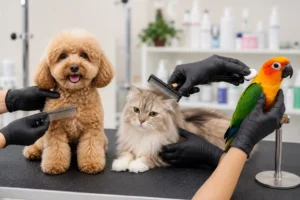
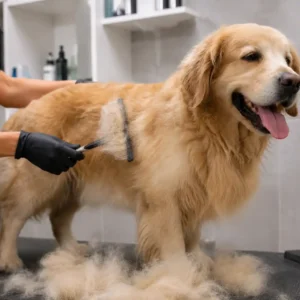
Brushing your dog regularly helps remove mats, loose fur, and debris. It also allows you to inspect the skin for early signs of irritation. Opting for professional dog grooming in Abu Dhabi ensures a thorough job, especially for long-haired breeds.
Professional groomers also check for skin abnormalities like rashes, lumps, or wounds before they turn into larger problems. Services that include bathing, drying, and de-shedding help maintain a healthier coat.
Grooming is also essential during Abu Dhabi’s hot months when dogs shed more and become prone to overheating. Booking Pet Grooming Home Services in Abu Dhabi makes this process easier and more consistent.
2. Use Parasite Prevention
Keep fleas, ticks, and mites at bay with vet-approved preventives. Regularly checking your dog’s coat after outdoor playtime is also a good habit.
Fleas and mites are common culprits behind intense itching and skin infections that lead to hot spots. Monthly spot-on treatments, chewable tablets, or flea collars can significantly reduce the risk. It’s also wise to treat bedding, carpets, and upholstery to eliminate hidden parasites.
Keeping a consistent parasite control routine is one of the easiest ways to protect your dog year-round.
3. Dry Your Dog Thoroughly After Baths or Swimming
Moisture trapped under the fur is a breeding ground for bacteria. Use a towel or pet-safe dryer to ensure your dog is fully dry, especially in humid conditions.
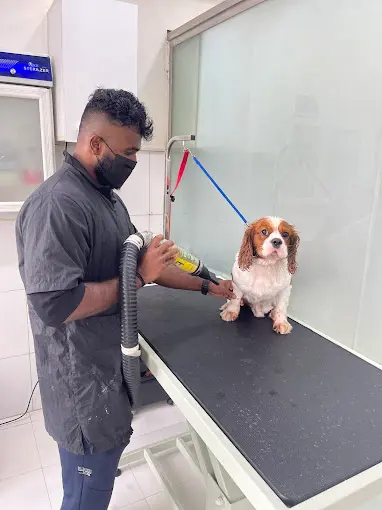
Focus on drying hard-to-reach spots like behind the ears, under the legs, and around the neck collar. Dogs with dense or double coats require extra care, as water can sit close to the skin for hours. Leaving moisture on the skin increases the chance of fungal or bacterial growth. Groomers can use specialized high-velocity dryers to prevent this issue effectively.
4. Address Allergies Promptly
Work with your vet to manage symptoms if your dog has a known allergy. This might include dietary changes, antihistamines, or specialized shampoos.
Uncontrolled allergies often lead to excessive scratching, licking, and eventually hot spots. Elimination diets or allergy testing can help pinpoint the root cause. Maintaining a hypoallergenic home environment, using air purifiers and choosing non-irritating cleaning products, can also help.
Grooming services using hypoallergenic products are highly beneficial for allergy-prone pets.
5. Engage Your Dog Mentally and Physically
Boredom and stress can lead to obsessive licking and chewing. Make sure your dog gets enough exercise and stimulation to avoid these behaviors.
Daily walks, training sessions, and interactive toys keep your dog occupied and happy. Social interaction and positive reinforcement can also reduce anxiety-based behaviors. Consider rotating toys and introducing puzzle feeders to engage your pet’s brain. If stress or separation anxiety is a concern, consult a behaviorist or vet for additional support.
The Role of Grooming Salons and Veterinary Clinics
Grooming salons and veterinary clinics are essential in managing and preventing hot spots. A professional grooming session can help identify skin issues early, remove matted fur, and keep your dog’s coat clean and breathable.
Specialized services offered by providers of Pet Grooming Home Services in Abu Dhabi are especially convenient for busy pet parents who want expert care at home.
On the other hand, veterinary clinics provide medical insight and treatments beyond grooming. They can test for allergies, prescribe medications, and guide long-term management strategies for dogs prone to hot spots.
Conclusion
Hot spots are more than just a nuisance; they’re a painful and potentially serious skin condition that can affect your dog’s happiness. The good news is that they can be managed effectively with prompt treatment and a strong prevention plan.
Whether dealing with your dog’s first hot spot or looking to prevent the next one, staying informed and proactive is the key.
Book a Grooming Session with Mr Pets Today!
At Mr Pets, we offer expert pet grooming services in Abu Dhabi to help keep your furry friends healthy, clean, and free from skin irritations like hot spots. Our trained groomers and pet care specialists understand your pet’s unique needs in the UAE climate.
Call us today or book an appointment online to give your dog the care they deserve, right from the comfort of your home!