Accidentally cutting your cat’s nail too short can be a stressful experience for any pet parent. If you’re reading this in a panic, take a deep breath—you’re not alone. This common grooming mishap can happen even with the best intentions, especially during cat nail grooming at home. This comprehensive guide will walk you through exactly what to do when your cat’s nail starts bleeding, how to prevent it in the future, and why proper grooming is essential—particularly in places like Abu Dhabi, where cat home grooming services are rising in popularity.
We’ll also explore related concerns like “Do shorthair cats need grooming?” and what to do when cats’ nails are too long. Whether you’re an experienced cat parent or just starting your feline journey, this blog will equip you with the knowledge you need to keep your kitty safe, happy, and well-groomed.
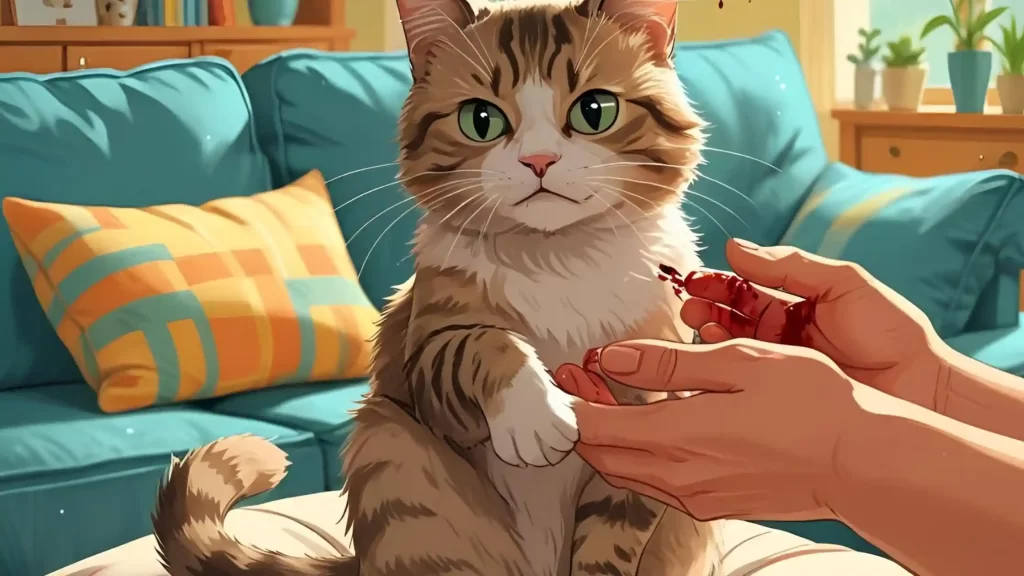
What Happens When You Cut a Cat’s Nail Too Short?
When trimming a cat’s nails, there’s a pinkish area inside the nail called the “quick.” This part contains blood vessels and nerves. Accidentally cutting into the quick causes immediate bleeding and pain.
Even though it’s not usually dangerous, it can be distressing for both you and your cat. Blood may ooze for several minutes, and your cat may run, hiss, or hide.
Immediate Steps to Stop the Bleeding
Here’s what you should do right away:
- Stay Calm: Your cat will pick up on your anxiety. Speak softly and move slowly.
- Apply Pressure: Gently press a clean cloth or sterile gauze to the nail for 5–10 minutes.
- Use a Styptic Product: Styptic powder or pencil can stop bleeding almost instantly. If you don’t have it:
- Use cornstarch or baking flour.
- Dab a cotton swab in the powder and press it onto the bleeding nail.
- Keep the Area Clean: Monitor the paw to prevent dirt from getting into the nail.
- Prevent Licking: Distract your cat or use an e-collar to stop them from licking the injured paw.
How to Calm Your Cat After a Bleeding Nail Incident
After a painful grooming experience, your cat may become fearful of future nail trims. Here’s how to restore trust:
- Give Them Space: Allow them to calm down in a safe and familiar space.
- Offer Treats: Positive reinforcement can associate the experience with something rewarding.
- Speak Gently: Reassure your cat with a soft voice and calm demeanor.
- Avoid Grooming for a Few Days: Let the injury heal before resuming nail care.
Why Cat Nail Grooming Matters
Regular cat nail grooming is essential for feline health and comfort. When cats’ nails are too long, they can:
- Curl into the paw pad, causing pain or infection.
- Get caught in furniture or fabrics, risking injury.
- Scratch humans unintentionally during play.
Especially in indoor cats who don’t naturally wear down their claws, nail trimming prevents complications and improves your pet’s quality of life.
How Often Should You Trim Your Cat’s Nails?
Most cats need a nail trim every 2 to 4 weeks, but it depends on:
- Age: Older cats may need more frequent trims.
- Activity level: Outdoor or active cats may naturally wear down nails.
- Breed: Some breeds grow nails faster than others.
Keep an eye on how often you hear your cat’s nails clicking on hard surfaces—that’s a sign they’re too long.
Signs Your Cat’s Nails Are Too Long
It’s not always easy to tell if your cat’s claws are too long, but these signs can help:
- You hear clicking sounds on tile or hardwood.
- Your cat’s claws snag on carpet or bedding.
- Visible curvature of the claw tip.
- Reluctance to walk or limping.
- Aggression when touching their paws.
If you notice any of these, it’s time to trim—or better yet, seek cat home grooming in Abu Dhabi to ensure safe, stress-free grooming.
Do Shorthair Cats Need Grooming?
Yes! Even though shorthair cats don’t have long, flowing coats, they still benefit from regular grooming.
Here’s why grooming is essential:
- Reduces shedding and keeps fur off your furniture.
- Prevents hairballs by removing loose fur.
- Strengthens your bond with your cat.
- Identifies health issues early, such as lumps or parasites.
- Ensures regular nail maintenance—especially important if your cat is indoors most of the time.
So yes, do shorthair cats need grooming? Absolutely.
Tips for Safe Home Nail Trimming
Avoid future bleeding accidents with these home trimming tips:
- Use proper tools: Invest in high-quality cat nail clippers.
- Understand the anatomy: Avoid cutting too close to the pink “quick.”
- Trim in good light: Better visibility reduces mistakes.
- Hold the paw gently: Don’t squeeze or restrain too tightly.
- Go slow: If your cat becomes agitated, stop and try later.
- Reward generously: Treats help make grooming a positive experience.
If this feels overwhelming, you’re not alone. Many cat owners in the UAE now prefer cat home grooming Abu Dhabi services for professional care at their doorstep.
When to Seek Professional Help in Abu Dhabi
If your cat:
- Has very dark nails and you can’t see the quick
- Becomes aggressive or panicked
- Has injured or infected paws
- Refuses to let you near their claws after an accident
it’s time to call in the professionals. Cat nail grooming is best left to trained groomers or vets in these cases. They have the experience, tools, and calming techniques needed to safely handle your cat.
Choosing the Right Cat Home Grooming in Abu Dhabi
Abu Dhabi has seen a rise in mobile and in-home pet grooming. Here’s how to choose the right provider:
Look For:
- Certified groomers with feline experience
- Positive reviews and testimonials
- Veterinary partnerships for emergency handling
- Calm grooming environments
- Services including nail trimming, ear cleaning, brushing
Top-rated cat home grooming Abu Dhabi services provide stress-free care in the comfort of your home—ideal for cats that are anxious or hard to handle in grooming salons.
Final Thoughts
Cutting your cat’s nail too short is a common mistake, but it’s one you can recover from with proper care and compassion. Knowing how to stop the bleeding, calm your pet, and safely manage future grooming is key to building a healthy routine.
Remember: grooming isn’t just about looks—it’s about health. Whether your cat has short hair or long, proper nail maintenance matters. If you’re unsure or nervous, take advantage of trusted cat home grooming in Abu Dhabi to ensure your furry friend gets the care they need without the stress.
Don’t wait until your cat’s nails are too long or until you face another bleeding incident. Be proactive, gentle, and informed—and your cat will thank you with purrs and paw pats.