




Cats are curious creatures, always exploring, climbing, or playing. Sometimes, their adventures can lead to small cuts or wounds. Knowing what to clean a cat wound with and how to care for it properly can make all the difference between a fast recovery and possible infection.
In this guide, you’ll learn how to clean your cat’s wound safely, what products to use, and when to seek professional help.
Why Proper Wound Cleaning Matters
Even minor scratches or bites can become infected if not treated quickly. Cats have bacteria in their mouths and claws, so even a small wound can escalate without proper care. Cleaning helps:
- Remove dirt and debris
- Prevent bacterial infection
- Speed up natural healing
- Reduce pain and swelling
For hands-on assistance, pet grooming in Abu Dhabi can help with tasks like this during a routine wellness visit.
If you’ve ever wondered how to clean a cat wound safely at home, here’s your step-by-step guide.
Step-by-Step Guide: How to Clean a Cat Wound
1. Stay Calm and Keep Your Cat Comfortable
- Before cleaning, gently cover your cat in a soft towel to keep them from moving or scratching.
- A calm environment helps them feel safe and makes the process smoother.
2. Examine the Wound
- Check for signs of dirt, swelling, bleeding, or discharge.
- If the wound is deep, bleeding heavily, or has pus, skip home treatment and visit your vet immediately.
3. Use Sterile Saline Solution
When deciding what to clean a cat wound with, the safest choice is,
- A sterile saline solution.
- It gently removes dirt and bacteria without irritating.
You can buy it from a pharmacy or make it at home by mixing one teaspoon of salt with two cups of boiled (then cooled) water.
4. Clean the Area Gently
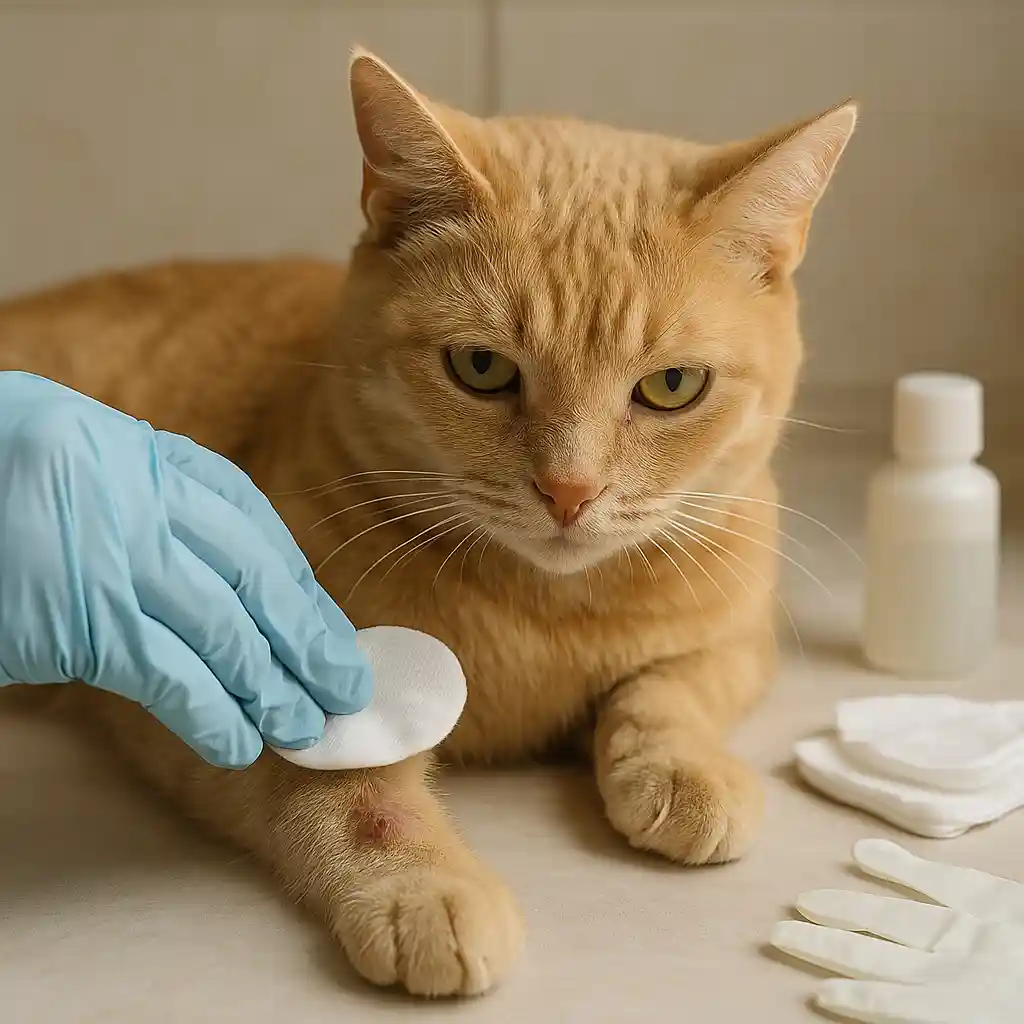
- Dip a clean gauze pad or cotton ball into the saline solution and lightly dab the wound.
- Avoid rubbing; gentle pressure helps remove debris while preventing pain.
5. Apply an Antiseptic (If Recommended by a Vet)
- You can use a pet-safe antiseptic like diluted chlorhexidine or povidone-iodine (Betadine).
- Always ensure it’s alcohol-free and cat-safe, as some human products can be toxic to cats.
6. Keep the Wound Dry and Monitor Daily
After cleaning, let the wound air dry. Avoid covering it unless your vet advises otherwise.
Check daily for redness, swelling, or discharge; these could signal infection.
When to Visit the Vet
Even with the best home care, some wounds need professional attention.
Contact your vet if:
- The wound is deep, bleeding continuously, or near the eyes/mouth.
- Your cat is limping or seems in pain.
- There’s a foul smell or pus discharge.
- The area becomes swollen or hot.
A professional veterinarian can prescribe antibiotics, pain relief, or stitches if needed.
Why Professional Grooming Helps Healing
Regular grooming helps you detect hidden wounds early and maintain your cat’s hygiene. Professionals in Cat Grooming in Abu Dhabi are trained to handle sensitive skin and spot early signs of infection or parasites.
This proactive care prevents complications and keeps your cat happy and comfortable.
Final Thoughts
Knowing what to clean a cat wound with and how to do it safely is essential for every cat owner. Always use sterile saline or a vet-approved antiseptic, avoid harsh chemicals, and monitor the wound daily. For other delicate issues, like how to remove cat eye gunk naturally, the same principle of using gentle, safe methods applies.
If your cat’s injury seems serious or you’re uncertain about treatment, seek help from a vet immediately.