


Introduction: Why Grooming Can Be a Struggle
Cats are naturally clean animals, often spending hours licking and cleaning themselves. But that doesn’t mean grooming isn’t necessary. Regular brushing, nail trimming, and occasional baths are essential for a cat’s health and comfort. The problem? Many owners quickly discover that their cat hates grooming. Hissing, scratching, or running away can turn grooming into a stressful task for both cat and owner.
In the UAE, where pet care standards are rising, Pet Grooming Abu Dhabi services from Mr Pets have spent over 10 years handling anxious and resistant cats, building trust with thousands of pet owners across Abu Dhabi along the way. Our groomers are trained to read feline body language and adjust their approach in real time, which is why even the most stressed cats often calm down and cooperate during sessions with us.
Why Some Cats Hate Grooming
Every cat is different, but a dislike for grooming often stems from:
- Sensitivity: Some cats dislike being touched in certain areas like the belly or tail.
- Fear of Restraint: Cats value independence; being held tightly makes them anxious.
- Negative Past Experiences: If a grooming session was painful or stressful, cats may associate it with fear.
- Unfamiliar Tools: Clippers, brushes, or blow dryers can be frightening.
- Breed Factors: Long-haired breeds like Persians require more maintenance, which can make them more resistant.
Understanding the cause of your cat’s dislike is the first step toward creating a calmer grooming routine.
Common Grooming Challenges
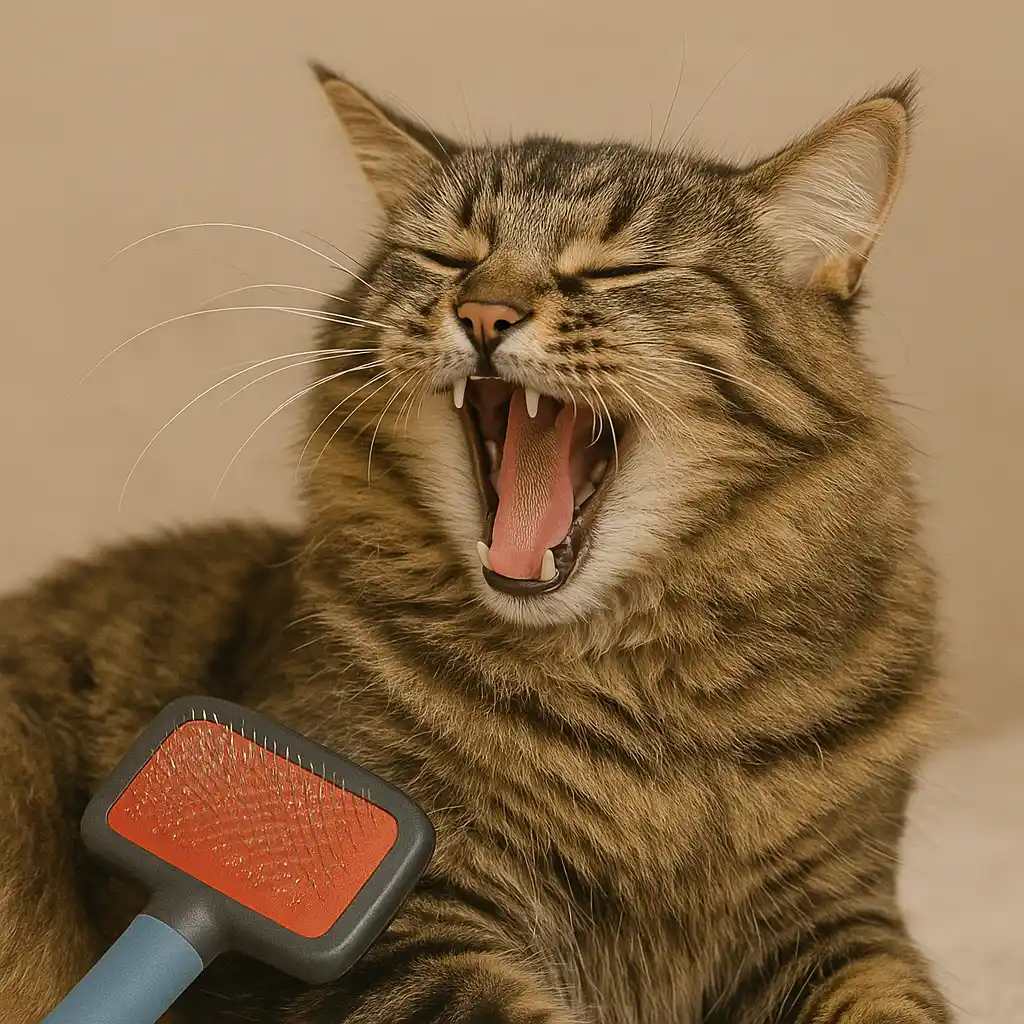
- Brushing Battles: Long-haired cats may struggle against brushing due to tangles or sensitivity.
- Bath-Time Drama: Most cats dislike water, making bathing a stressful event.
- Nail Trimming Anxiety: The sound and pressure of clippers can cause panic.
- Ear and Eye Cleaning: Some cats resist having their face touched, complicating hygiene routines.
How to Make Grooming Easier
1. Start Young and Go Slow
Kittens are more adaptable, so early grooming helps them grow into cooperative adults. If your cat is older, start with short, calm sessions—just a few strokes of brushing—and gradually increase time.
2. Choose the Right Tools
Invest in grooming tools designed for cats. Wide-toothed combs, soft-bristle brushes, and quiet nail grinders can make a big difference.
3. Create a Calm Environment
Cats are sensitive to their surroundings. Groom in a quiet room, away from loud noises or other pets. Use calming sprays or diffusers with pheromones to reduce anxiety.
4. Use Positive Reinforcement
Reward good behavior with treats and gentle praise. Over time, cats will associate grooming with positive experiences.
5. Break Tasks Into Steps
Instead of brushing, trimming nails, and bathing all in one session, spread grooming across several days. This prevents overwhelming your cat.
6. Know When to Stop
If your cat becomes aggressive or too stressed, pause and try again later. Forcing grooming can make things worse.
A Real Case: The Rescue Cat Who Scratched at Every Brush
I’m a cat grooming expert, and one case that really tested my patience was a rescued stray brought in by a family in Dubai, her fur was badly matted, and she scratched and hissed the second a brush came near her. Having worked with nervous and rescue cats before, I knew forcing it would only make her more fearful, so we started with just 30 seconds of brushing per session, nothing more. Within a few weeks of short, calm sessions every two days, she stopped flinching and even started leaning into the brush, proving that patience works far better than persistence with a scared cat.
Professional Grooming Services in the UAE
Sometimes, no matter how much effort you put in, your cat won’t cooperate. In such cases, professional grooming services can be a lifesaver.
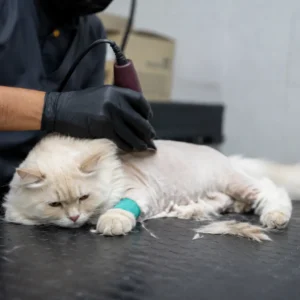
For example, Cat Grooming Abu Dhabi salons are equipped with experienced handlers who understand feline behavior. They use specialized techniques and tools to minimize stress, ensuring your cat’s grooming is both safe and effective.
This option is especially beneficial for long-haired cats, senior cats with mobility issues, or owners who are anxious about nail trimming and bathing.
Real-Life UAE Example
A family in Dubai adopted a rescued stray with long, matted fur. Every attempt at home brushing ended in scratches and stress. After consulting a groomer, they started with professional sessions every two weeks. Gradually, the cat became more tolerant of brushing at home, proving that patience combined with professional help can transform the experience.
Grooming Tips for Specific Situations
- Long-Haired Breeds: Daily brushing prevents painful mats.
- Short-Haired Breeds: Weekly brushing helps reduce shedding and hairballs.
- Senior Cats: Older cats may groom themselves less, so owners must assist more often.
- Rescue Cats: Gentle, consistent grooming builds trust over time.
Preventive Care Makes a Difference
Regular grooming is not just about looks—it helps prevent health problems. Brushing reduces hairballs, nail trimming prevents injuries, and ear cleaning prevents infections. Grooming also allows you to spot early signs of health issues like skin irritation, parasites, or lumps.
Conclusion: Turning Stress into Comfort
If your cat hates grooming, don’t worry—you’re not alone. Many cats dislike the process, but with patience, the right tools, and positive reinforcement, it can become easier over time. Professional grooming services in Abu Dhabi and Dubai are also valuable partners, especially for long-haired or particularly anxious cats.
Grooming is an important part of overall feline care. Beyond appearance, it contributes to your cat’s comfort, health, and happiness. With consistency and understanding, even the most resistant cats can learn to tolerate—and sometimes even enjoy—regular grooming.
And for owners of long-haired breeds in particular, never underestimate the value of expert advice and guidance. Following persian cat grooming tips ensures your pet stays healthy, comfortable, and beautifully cared for in the UAE’s unique climate.
Frequently Asked Questions
Why does my cat suddenly hate grooming when she used to be fine with it?
A sudden change is often linked to a recent negative experience, like an accidental nick during nail trimming, or an underlying pain issue such as arthritis or a skin irritation that makes touch uncomfortable.
Is it normal for cats to hate having their paws touched specifically?
Yes, paws are extremely sensitive due to dense nerve endings, so many cats react strongly to paw handling even if they tolerate brushing elsewhere without issue.
Can grooming stress actually make a cat sick?
In rare cases, yes, prolonged stress during grooming can trigger stress-related issues like over-grooming, appetite loss, or flare-ups in cats prone to stress cystitis.
Does the time of day affect how cooperative a cat is during grooming?
Yes, cats are often calmer and more cooperative during their natural low-energy periods, typically after meals or during their usual nap windows, rather than right after playtime.
Should I groom my cat myself if she’s extremely aggressive, or is that too risky?
If a cat consistently bites or scratches hard enough to break skin, it’s safer to involve a professional groomer who can use proper handling techniques and protective equipment to avoid injury to both the cat and owner.