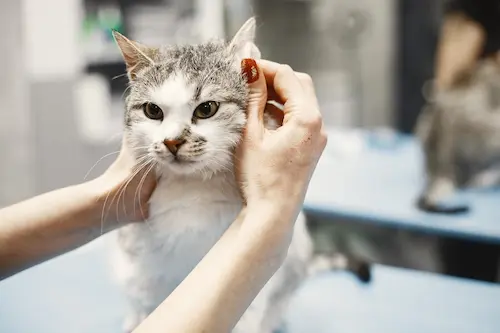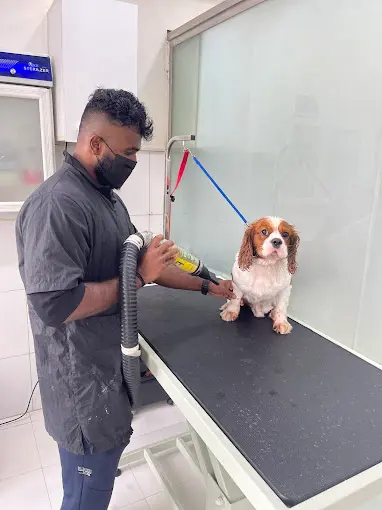





Your dog’s skin is more than just a protective layer. Healthy skin keeps your furry friend comfortable, regulates body temperature, and acts as a barrier against infections. Unfortunately, skin issues are one of the most common reasons dogs visit the vet. Spotting dog skin issues promptly, with professional Pet Grooming Services in Abu Dhabi, helps ensure your dog receives timely and effective care.
Signs Your Dog May Have Skin Problems
Healthy dog skin should be smooth, free of bumps, redness, or excessive flakes, and your dog’s coat should shine naturally. Watch for these common warning signs:
- Persistent itching or scratching
- Red or inflamed skin
- Hair loss or bald patches
- Scaly, greasy, or flaky skin (dog dandruff)
- Unpleasant odor from the skin or ears
Early detection can prevent minor irritation from turning into chronic dog skin infections.
Common Dog Skin Problems
Allergies and Itchy Dog Skin
Dogs often suffer from allergies triggered by food, fleas, or environmental factors like pollen, dust, and mold. Allergic reactions release histamines, causing redness, itching, and hair loss.
Consult your vet and experts at Dog Grooming in Abu Dhabi to identify allergens, and support treatment with hypoallergenic shampoos and dietary changes.
Parasites
Fleas, ticks, and mites can lead to intense itching, hair loss, and secondary infections. Flea bites may even cause allergic reactions in sensitive dogs.
Maintain regular parasite prevention with vet-approved products and inspect your dog’s coat weekly.
Bacterial and Yeast Infections
Overgrowth of bacteria or yeast on your dog’s skin can cause redness and discomfort. Chronic yeast infections may darken the skin, especially around the belly and paws.
Use medicated shampoos as directed by your vet, and ensure proper grooming to keep skin clean and dry.
Dry Skin in Dogs
Dry, flaky skin may result from cold, low-humidity environments, poor diet, or underlying health issues. Omega-3 fatty acids and moisturizing shampoos can help restore balance.
Consider humidifiers at home and a vet-approved diet rich in essential fatty acids.
Hot Spots and Autoimmune Conditions
Hot spots are inflamed, itchy areas that can develop quickly, often due to allergies or scratching. Autoimmune conditions like lupus or pemphigus cause the immune system to attack skin cells, leading to lesions or hair loss.
Seek immediate veterinary care for proper diagnosis and treatment.
Grooming Tips for Dogs
Regular grooming can reveal early signs of skin problems:
- Matted or greasy fur
- Unusual flakes or dandruff
- Patches of missing hair
- Redness or swelling between toes, armpits, and belly
Routine grooming, including brushing and medicated baths when needed, not only keeps your dog comfortable but also helps prevent dog skin infections.
Conclusion
Monitoring your dog’s skin is essential for their health and happiness. Whether it’s dog dandruff, itchy dog skin, or more severe conditions like bacterial infections, early detection and proper care can prevent chronic issues. Regular grooming and proper diet are essential for Dogs with Flaky Skin to maintain a healthy coat.
By recognizing the signs and understanding common dog skin allergies, you can keep your furry companion comfortable and thriving.
Dog Skin Care Solutions at Mr Pets in Abu Dhabi
Ensure your dog’s skin stays healthy with expert care:
- Vet-approved shampoos and treatments for allergies, yeast, and dry skin
- Professional advice on managing itchy dog skin and infections
- Trusted, high-quality products for grooming and coat health
- Personalized recommendations for diet, supplements, and skin care
Frequently Asked Questions
1: What skin problems are most frequently seen in dogs?
A: Dogs commonly experience allergies, dry skin, parasites, bacterial or yeast infections, hot spots, and hair loss.
2: Why does my dog keep itching and chewing his skin without fleas present?
A: It could be due to allergies, dry skin, mites, or underlying skin infections rather than flea infestations.
3: What is the best way to relieve itchy skin in dogs?
A: Itchy skin can be managed with vet-recommended shampoos, dietary changes, parasite control, and appropriate medications.