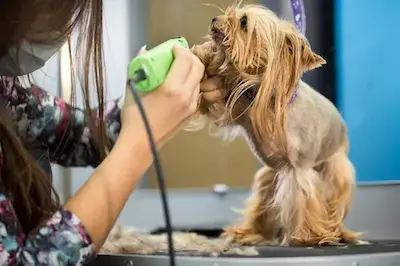
As a dog owner, I’ve faced my fair share of health challenges with my furry companions. One problem that can sneak up unexpectedly is a dog eye stye. These small, painful bumps near the eyelid can worry any pet parent, but during my time in Dubai, I discovered that with the right care and regular visits to Pet Grooming in Abu Dhabi, they’re manageable and often preventable.
In this post, I’ll share my experience, practical tips, and expert insights on how to treat dog eye styes effectively.
What Is a Dog Eye Stye?
A dog eye stye, also called a hordeolum, is a small, red, and sometimes swollen bump that forms on the eyelid. It occurs when an oil gland becomes blocked or infected, leading to irritation.
Signs I noticed in my dog included:
- Swelling or redness around the eyelid.
- Excessive tearing or discharge.
- Pawing at the eye due to discomfort.
It’s important to recognize these symptoms early because untreated styes can lead to more severe infections or discomfort for your pet.
Causes of Dog Eye Styes
From my experience, understanding the root cause helps prevent future occurrences, and when I was in Dubai with my dog Jacky, I noticed during visits to Dog Grooming Abu Dhabi that the most common reasons include:
- Bacterial infections: Staphylococcus bacteria often trigger styes.
Blocked oil glands: Just like in humans, blocked Meibomian glands can lead to bumps. - Allergies or irritants: Dust, pollen, or grooming products can irritate the eye.
- Poor grooming: Long hair around the eyes can trap dirt and bacteria.
Proper grooming and eye hygiene play a vital role in minimizing these risks.
How to Treat a Dog Eye Stye at Home
While I always recommend consulting a vet, mild styes can sometimes be treated safely at home. Here’s my step-by-step approach:
1. Warm Compress
A warm cloth on the eyelid helps ease swelling and discomfort.
- Reduce swelling.
- Promote drainage of the stye.
- Soothe discomfort.
I usually soak a clean cloth in warm (not hot) water and hold it gently against the eye for 5 to 10 minutes, 2 to 3 times a day.
2. Keep the Eye Clean
Gently wiping away discharge with a damp, soft cloth can prevent further infection. Keep soaps and strong cleaning products away from your dog’s eyes.
3. Avoid Squeezing the Stye
It’s tempting to pop the bump, but this can worsen the infection. Patience and gentle care are key.
4. Vet-Recommended Medications
If the stye persists or worsens, a veterinarian may prescribe:
- Antibiotic ointments or drops
- Anti-inflammatory medications
From my experience, following the vet’s instructions closely ensures faster healing.
Grooming Tips to Prevent Future Styes
Prevention is always better than treatment. Here are grooming practices that have helped me:
- Regular eye cleaning: Wipe your dog’s eyes weekly with vet-approved wipes.
- Trim hair around the eyes: Keeps debris away from the eyelids.
- Check for allergies: Be mindful of foods, cleaning products, or pollen.
- Routine vet checkups: Early detection prevents complications.
Small steps in daily grooming can save your dog from frequent eye issues.
When to See a Vet
Seek professional care if your dog’s stye:
- Doesn’t improve in a few days.
- Becomes very red or swollen.
- Causes excessive pain or vision problems.
Professional evaluation ensures your dog gets the right treatment and avoids long-term eye damage.
Conclusion
Dealing with a dog eye stye can be stressful, but understanding the causes and treatments makes it manageable. From warm compresses to proper grooming, my experience has taught me that consistent care prevents most styes. I’ve also learned that understanding Dogs with Flaky Skin Causes Every Pet Owner Should Know can help maintain overall eye and skin health. Always monitor your dog’s eyes, maintain hygiene, and consult a vet when necessary to keep your furry friend comfortable and healthy.
By incorporating these steps, you can handle a dog eye stye confidently while maintaining overall eye health for your pet.