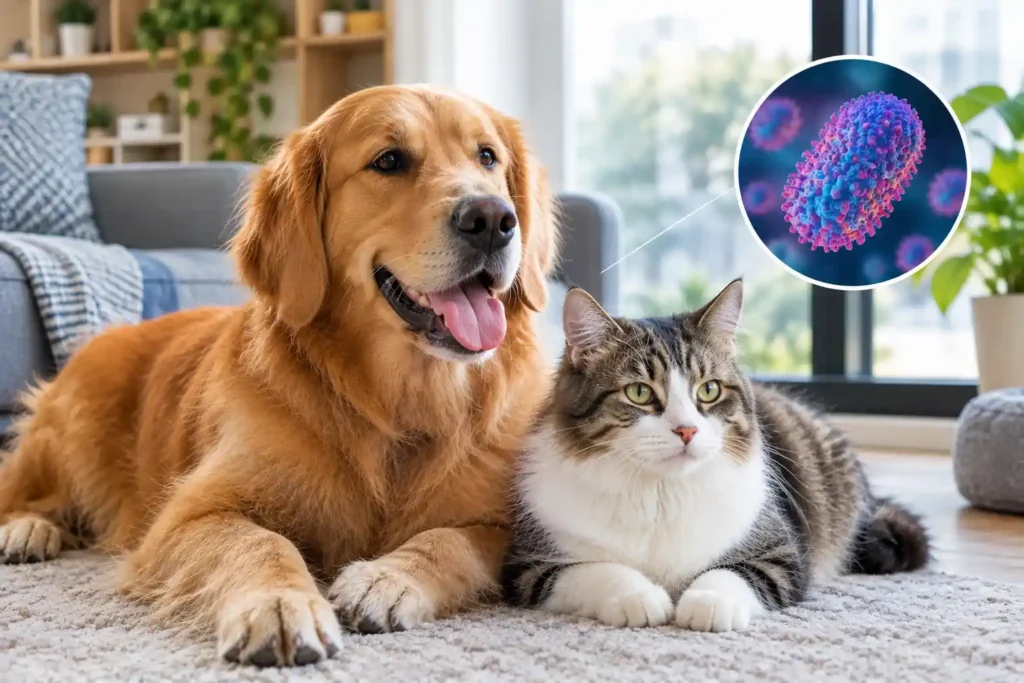





No. Dogs and cats do not normally spread hantavirus to humans. Hantavirus is mainly associated with infected rodents and exposure to their urine, droppings, saliva, or contaminated dust.
Hantavirus comes up whenever rodents are mentioned, and it sounds alarming. For people who groom dogs and cats, the short answer is that it is not a direct risk from the animals themselves. The places where it could matter are specific, though, and worth understanding.
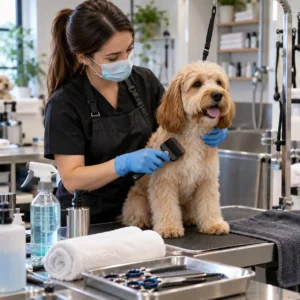
A client once came for pet grooming in Abu Dhabi with a dog that had recently been kept in an area where rodents were present. During the initial check, I noticed rodent droppings and debris around the area where the dog had been staying. Since hantavirus is mainly associated with infected rodents and exposure to their urine, droppings, and saliva, I advised the owner to address the rodent contamination before starting the grooming session. The owner understood the concern and took the necessary precautions. It was a good reminder that keeping the pet’s environment clean and free from rodents is an important part of safe grooming.
What Hantavirus Is
Hantaviruses are a family of viruses carried by rodents, and each strain is tied to a particular rodent species. In the Americas they cause hantavirus pulmonary syndrome, which affects the lungs. In Europe and Asia they cause haemorrhagic fever with renal syndrome, which affects the kidneys. One strain, Seoul virus, is carried by brown and black rats and is found in rat populations worldwide, including port cities.
How It Spreads
Most people catch hantavirus by breathing it in. Rodent urine, droppings and nesting material dry out, and when disturbed by sweeping, vacuuming or moving stored boxes, the virus becomes airborne. Less often it spreads through rodent bites or touching contaminated surfaces and then the face. Apart from one South American strain, it does not spread from person to person.
Dogs and cats are not recognised as spreaders. A cat that hunts may come into contact with infected rodents, but it does not pass hantavirus on to people. That means a standard dog or cat grooming session is not a hantavirus risk.
Is It a Concern in the UAE?
Human hantavirus cases are rarely reported in the UAE, and it is not considered a common local health threat. Rats and mice do live in urban areas, warehouses and near food storage, though, so the underlying exposure route exists here as it does everywhere.
Where It Does Matter for Groomers
Pet rats. These are the documented pet-related risk. In 2017, Seoul virus infected more than a dozen people in the US and Canada, traced to home-based rat breeders. If your business handles pet rats, wear gloves, wash hands carefully, and encourage owners to buy from reputable breeders.
Hamsters and gerbils. Commercially bred hamsters and gerbils are not recognised hantavirus carriers. The bigger small-pet concern with hamsters is a different virus, LCMV. The same hygiene habits protect against both.
Wild rodents in the workplace. Storage rooms, boarding areas, feed stores and grooming vans parked for long periods can all attract mice or rats. This is the most realistic exposure route for a grooming business.
Safe Cleaning Practices
- Don’t sweep or vacuum dry droppings. This is how the virus becomes airborne.
- Ventilate first. Open doors and windows for about 30 minutes before starting.
- Wear gloves, and a well-fitted mask in enclosed spaces.
- Soak before wiping. Spray droppings with a disinfectant or a 1:10 bleach solution, leave it for five minutes, then wipe up with paper towels and bag them.
- Wash your hands thoroughly afterwards, even though you wore gloves.
If you find droppings or nesting material, how you clean matters more than anything else:
For prevention, store pet food and treats in sealed containers, keep small-animal cages in a separate area from dog and cat grooming, and arrange regular pest control.
Symptoms Worth Knowing
Symptoms usually appear one to eight weeks after exposure. They start with fever, muscle aches and fatigue, then can progress to breathing difficulty or kidney problems. If you develop these after rodent exposure, tell your doctor about the contact, since that detail speeds up diagnosis.
To see how hantavirus fits alongside rabies, mpox and other pet-linked viruses, read Top 10 Viruses That Can Spread From Pets to Humans.
FAQs
1. Can you catch hantavirus while grooming pets?
Routine pet grooming is not a common route of hantavirus infection. The main risk comes from infected rodents and their urine, droppings, or saliva.
2. Can dogs and cats carry hantavirus?
Hantavirus is mainly associated with rodents. Dogs and cats are not considered the main source of human hantavirus infection.
3. What should groomers do if they find rodent droppings?
Avoid direct contact, clean the area safely, and follow appropriate hygiene precautions before continuing grooming.
4. Can hantavirus spread through pet fur?
The main concern is contaminated material from infected rodents, rather than normal contact with clean pet fur.
5. How can pet groomers reduce hantavirus risk?
Keep grooming areas clean, avoid rodent-infested areas, wash hands thoroughly, and use suitable protective equipment when dealing with potentially contaminated material.