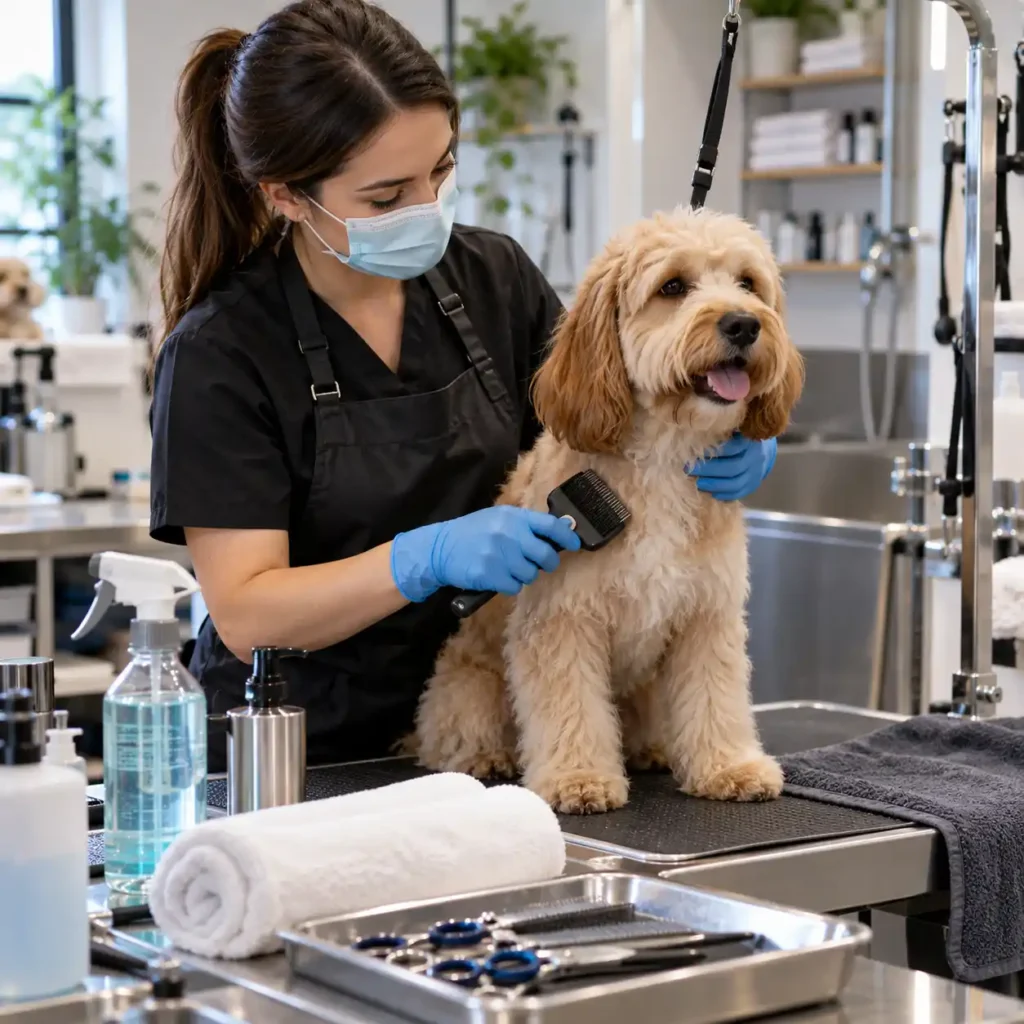


Zoonotic viruses can spread during pet grooming through bites, scratches, saliva, respiratory droplets, contaminated tools, or contact with an infected pet’s body fluids. Good hygiene, proper disinfection, and safe handling can reduce the risk.
A grooming session involves a lot of close contact in a short time. Few everyday activities bring a person this close to an animal’s mouth, claws, and skin for this long. Most grooming sessions are completely routine, but understanding where potential transmission can occur helps groomers handle pets more safely and maintain better hygiene.
I remember a pet grooming in Abu Dhabi appointment where a client brought a cat that had been spending time in a storage area with a noticeable rat problem. Before starting the grooming, I checked the cat and the surrounding area and noticed rodent droppings nearby. I explained to the owner that hantavirus is associated with infected rodents, not normally with cats themselves. We postponed the grooming until the contaminated area could be cleaned safely and advised the owner to address the rodent issue first.
The Five Pathways
Bites and scratches. This is the most important route by far. Face trims, nail clipping, ear cleaning and restraint are the moments when a stressed animal is most likely to react.
Saliva contact. Licks on broken skin, saliva on hands that then touch the eyes or mouth, and wet muzzles during face work all carry saliva from animal to person.
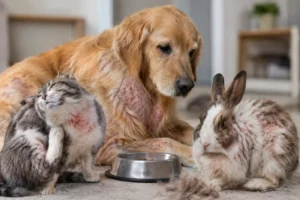
Skin and fur handling. Groomers touch every part of a pet’s coat. Lesions, scabs and sores can carry infection. In cats, cowpox is one example, spreading from crusted lesions picked up while hunting rodents.
Contaminated equipment. Clippers, brushes, combs, towels and tables can carry material from one animal to the next, and to the groomer, if they are not cleaned between pets.
The breathing zone. Bathing sprays and high-velocity dryers throw droplets, dander and debris into the air around the groomer’s face.
Rabies: The Top Priority
Rabies is the reason bite prevention matters so much. It spreads through saliva, usually by bite, and is almost always fatal once symptoms begin. It is also highly preventable. UAE regulations require dogs and cats to be vaccinated, which is why verifying records before grooming is standard practice.
If a bite or scratch happens:
- Wash the wound immediately under running water with soap for about 15 minutes. This single step greatly reduces risk.
- Apply an antiseptic and cover the wound.
- Get medical advice the same day, even if the wound looks minor. The doctor will decide whether post-exposure treatment is needed.
- Record the animal’s details and vaccination status. A dog or cat that bites is usually observed for 10 days, and its records will guide the doctor’s decision.
Safety Tips for Groomers
Verify vaccinations at booking. Checking records before the appointment prevents the problem instead of reacting to it.
Read the animal before you handle it. Pinned ears, a stiff body and whale eye in dogs, or a lashing tail and flattened ears in cats, mean you should slow down. Use muzzles or towel wraps calmly when needed. In cat grooming in Abu Dhabi, patience and correct restraint prevent most scratches.
Wear gloves for higher-risk work. Use them for animals with skin lesions, for anal gland expression, and for cleaning up bodily fluids. Cover any cuts on your own hands.
Sanitise between every pet. Clean clipper blades, brushes and tables, and use fresh towels for each animal.
Practise hand hygiene. Wash for at least 20 seconds between animals, and keep food, drinks and phones out of the grooming area.
Manage the air. Good ventilation reduces what you breathe in during drying, and a mask helps with heavily shedding coats.
Isolate sick animals. A pet with diarrhoea, discharge, unexplained sores or signs of illness should be rescheduled and referred to a vet.
What Pet Owners in Abu Dhabi Can Do
For dogs and cats, owners are an important part of the safety process. Bring up-to-date vaccination records, and tell the groomer about any skin problems, recent illness, or history of biting. A groomer who asks these questions is showing professionalism, not suspicion. When choosing a service for dog grooming in Abu Dhabi, look for visible tool cleaning, fresh towels, and staff who check records before starting.
For more information on pet related viruses, their potential risks to humans, and the different ways these infections can spread through animal contact, see Top 10 Pet Viruses, which covers common transmission routes and practical safety tips for pet owners and groomers.
FAQs
1. What are zoonotic viruses?
Zoonotic viruses are viruses that can spread from animals to humans.
2. Can dogs and cats carry zoonotic viruses?
Yes, some viruses can spread from infected dogs or cats to humans, depending on the virus.
3. Can pet grooming increase the risk of zoonotic infections?
Close contact with an infected pet can create a risk, especially when handling skin lesions, saliva, blood, or other body fluids.
4. Which zoonotic viruses are linked to pets?
Rabies is one of the most important examples. Other viruses have specific animal hosts and transmission routes.
5. How can groomers reduce the risk of zoonotic infections?
Use good hand hygiene, clean grooming tools, wear suitable protective equipment, and avoid grooming pets with unexplained sores or signs of illness.